
Prisoners of Cannae Defy the Senate
Eight thousand Roman survivors of Cannae were chained in a filthy camp—then denied ransom by their own government.
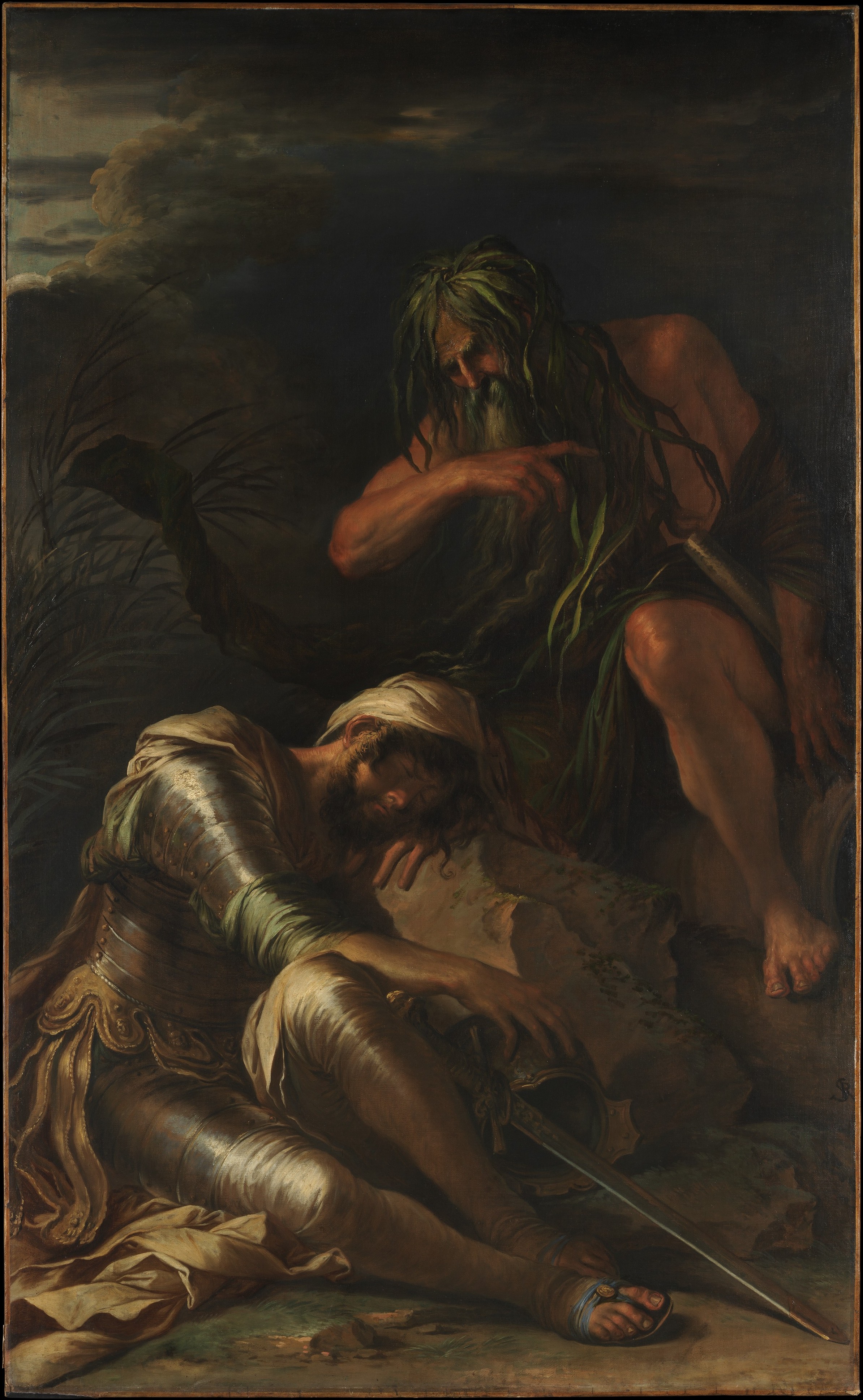
Salvator Rosa — "The Dream of Aeneas" (1660–65), public domain
The shame of Cannae.
After the catastrophic defeat at Cannae, thousands of Roman soldiers wandered the battlefield in shock—then were rounded up by Hannibal’s men and carted off to a fetid camp. Instead of ransom, the Senate decided they deserved punishment for surviving when so many died.
Chains as a message.
When deputies arrived to negotiate, the Senate flatly refused to pay a ransom or allow the men to return. Furious, the prisoners pooled their last coins to buy back the chains Hannibal had shackled them with—and sent the rusted links back to Rome. A silent accusation. A wound that took generations to heal.
Duty above all else.
The message was brutal: Rome valued discipline over compassion, even for its own. Some of those prisoners never saw their city again, but their protest reverberated—reminding Rome that survival could still be an act of defiance.
The Senate refused to ransom the soldiers captured at Cannae, choosing discipline over mercy. The men sent back their chains, a silent protest that echoed through Roman history.
