
Roman Nail Cleaners Worn as Jewelry
What looks like a pendant on a Roman necklace is actually a nail cleaner—functional bling.
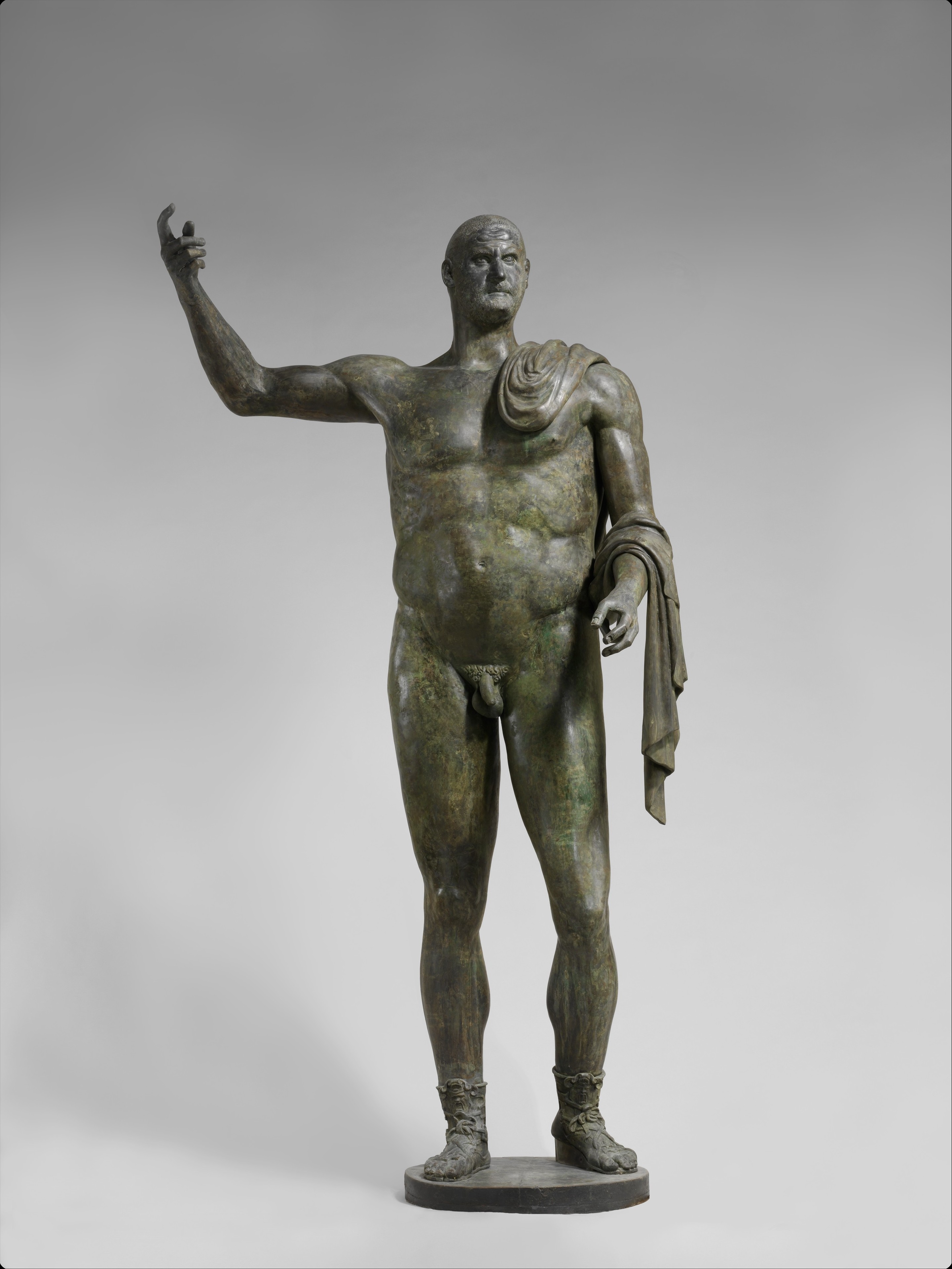
Unknown — "Bronze statue of the emperor Trebonianus Gallus" (251–253 CE), public domain
Nail Scrapers as Roman Accessories
Bronze nail cleaners—tiny, leaf-shaped tools—turn up in dig sites all across the Roman world. They weren’t kept in medicine cabinets. Women wore them as pendants, sometimes with a perfume vial, on a chain with good-luck charms.
Clean Hands, High Status
In public baths and banquets, flashing your manicure tools was a flex. Roman authors like Martial even joked about dirty nails as a sign of low status. Hygiene wasn’t just private business, it was fashion—on full display.
From Pompeii to London, archaeologists keep unearthing small bronze nail scrapers meant to hang on a woman's necklace. Clean hands weren't just a virtue—they were a visible status symbol, dangling right beside your amulets.
