
Roman Mosaics: Not Just for Floors
You picture Roman mosaics glittering underfoot—luxury floors for the rich. But in many villas, the best mosaics climbed the walls.
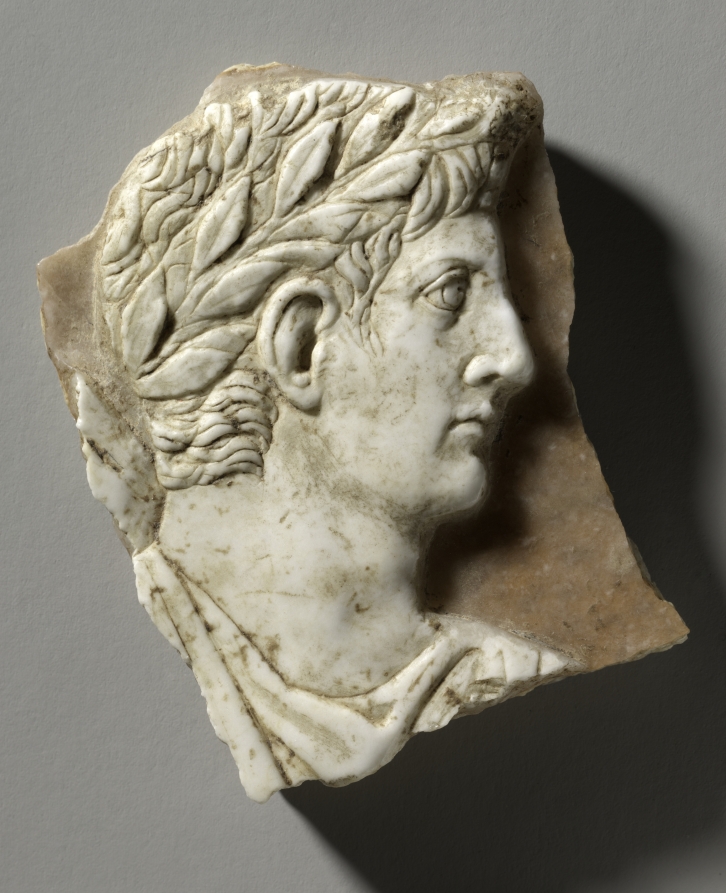
Unknown — "Cameo: Julio-Claudian Imperial Portrait" (30 BCE–54 CE), CC0
Myth: Mosaics Were Only for Floors
Every movie and museum gives you the same view—Romans gazing down at jewel-bright floors, never up. The myth: mosaics were a treat for your toes, not your eyes. But the ancient world loved a surprise.
Walls and Ceilings Dazzled Too
Step into a villa at Pompeii or Herculaneum and mosaics leap off the ground—snakes twisting on walls, gods shimmering above the bath. Pliny the Elder describes entire rooms glittering with glass tiles and mother-of-pearl. Romans wanted luxury to surround them, not just beneath their feet.
The Source of the Confusion
Surviving mosaics on floors outlasted those on walls—earthquakes, fires, and looters erased the evidence. Only careful digs and a few rare rooms let us glimpse the full, colorful story.
Roman wall mosaics brought color and mythic scenes up to eye level. Archaeology at Pompeii and Herculaneum shows they decorated not just floors but entire rooms—even ceilings.
