
The Myth of the Hidden Roman Library
You picture ancient Romans hunched over scrolls in secret, dusty back rooms—only the elite allowed to touch the knowledge.
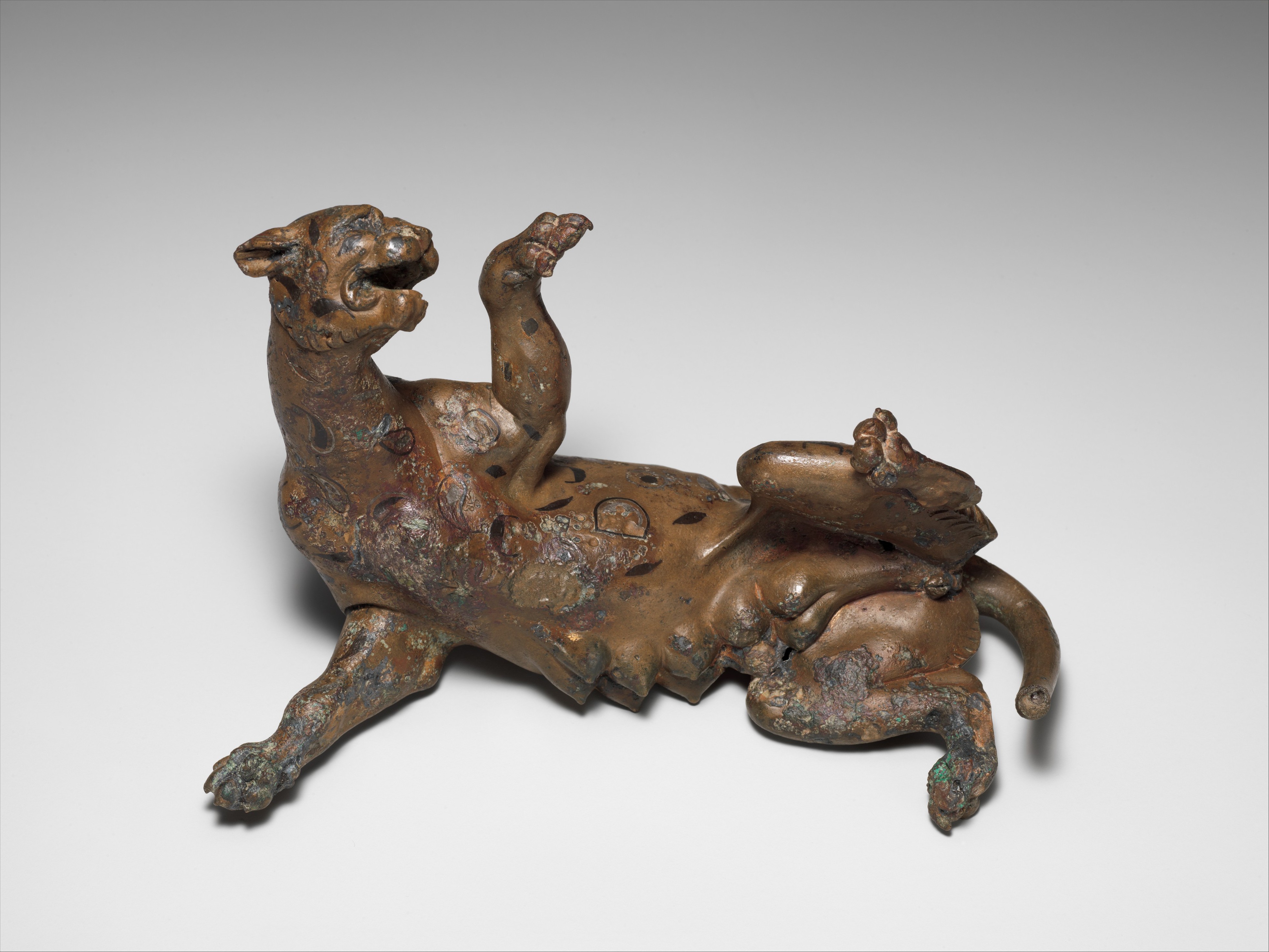
Unknown — "Bronze statuette of a pantheress" (1st–2nd century CE), public domain
The myth of forbidden scrolls.
You picture ancient Rome: knowledge locked away, only the richest or most powerful allowed inside. Maybe a secretive librarian guards a vault of scrolls—commoners kept far from the wisdom of the ages. Pop culture loves this image.
Rome built public libraries—on purpose.
By the first century CE, Rome boasted dozens of public libraries. The grandest sat right on the Forum: the Library of Trajan, carved in marble, open to all free Romans. Ancient graffiti—complaining about library noise—survives on the walls. These weren’t private hoards; they were civic pride.
How did the myth start?
Early archaeologists found private Roman bookrooms and assumed those were the norm. Victorian novelists helped cement the 'forbidden knowledge' trope. The real block to entry wasn’t secrecy, but literacy—about 10-20% could read well enough to enjoy the scrolls.
Public libraries flourished in imperial Rome. Anyone (well, any free adult) could stroll in, browse, and read—sometimes right in the middle of crowded city squares.
