
Clean-Shaven Legionaries? Not Always
You picture Roman soldiers—every face scraped smooth, no beard in sight. Textbooks and Hollywood sell the shaven jaw as the mark of Roman discipline.
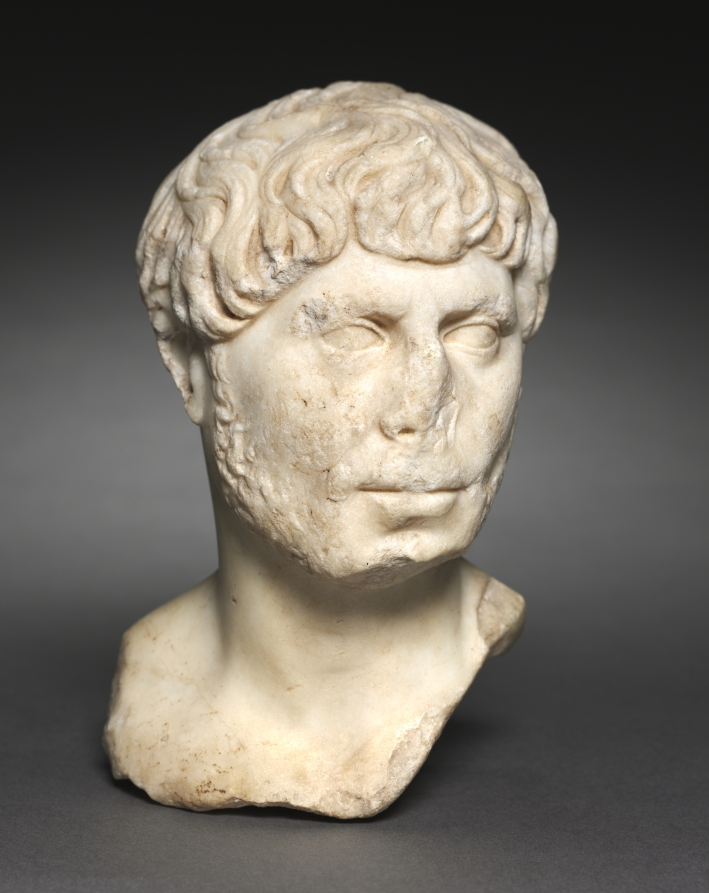
Unknown — "Head of a Bearded Man" (c. 125 CE), CC0
Beards in the Ranks?
Every Roman soldier in film looks freshly shaven, as if razors were standard issue. We’re told beards were for barbarians; Rome’s legions kept their jaws bare for discipline. But look closer at real Roman faces—stubble, mustaches, and sometimes full beards line ancient reliefs and statues.
Fashion and the Marching Life
The clean-shaven ideal started with Scipio in the 3rd century BCE, but styles changed. By Hadrian’s day, even emperors wore beards. Soldiers on campaign often let facial hair grow—ancient razors were brutal, and who shaves in the wilds of Germany? Tombstones and reliefs show a mix: some soldiers smooth, others scruffy, all recognizably Roman.
Why the Clean-Shaven Myth?
Victorian writers, obsessed with order, projected their own ideals back onto Rome. Textbook illustrators followed suit, scrubbing every chin. But the real Roman army followed fashion, not just regulations—just like any army on a long campaign.
Archaeology and ancient portraits show legionaries with stubble, mustaches, and even full beards, especially in later centuries. Fashion, climate, and campaign conditions mattered more than the razor.
