
Roman Legionary Tattoos
You picture every Roman legionary inked with military tattoos—an ancient army of marked men. But the evidence is almost invisible.
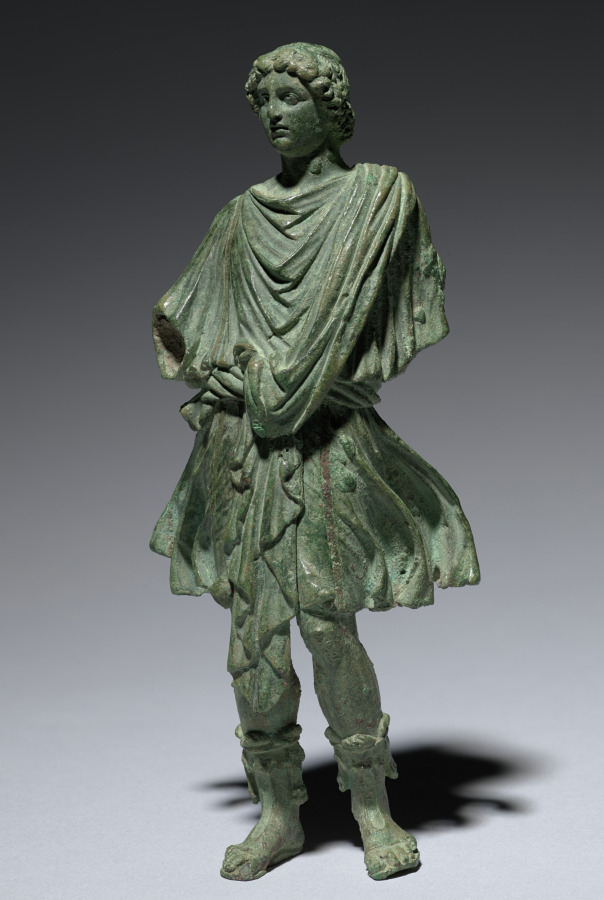
Unknown — "Lar" (1–25 CE), CC0
The tattooed Roman army?
You can picture it: every legionary with inked arms, gritty designs—regiment numbers, SPQR, eagle wings. It’s a staple of every movie and book. Roman soldiers, in the popular imagination, were an ancient, tattooed brotherhood.
Almost no evidence—and strange twists.
Archaeology and ancient writers barely mention legionary tattoos before the late empire. Only a handful of texts (like Vegetius) suggest tattooing marked reenlisted soldiers, and it was likely a military branding, not body art. Earlier, tattoos were actually a mark of shame—forced on criminals or slaves, not citizens.
How did this myth start?
Modern films and novels love the image, linking it to later European warrior cultures who did tattoo. Some late Roman sources mention tattoos, but they were rare, and we have no surviving examples on ancient skin. The myth is vivid—but real Roman soldiers mostly fought unmarked.
Real Roman soldiers may have been tattooed, but not universally—and the practice was rarer, later, and stranger than the Hollywood myth.
