
Roman Legionaries and Marching Myths
You picture Roman soldiers moving in robotic lockstep, boots pounding in perfect unison—the original marching army. But the iconic parade ground drill? That’s a modern invention.
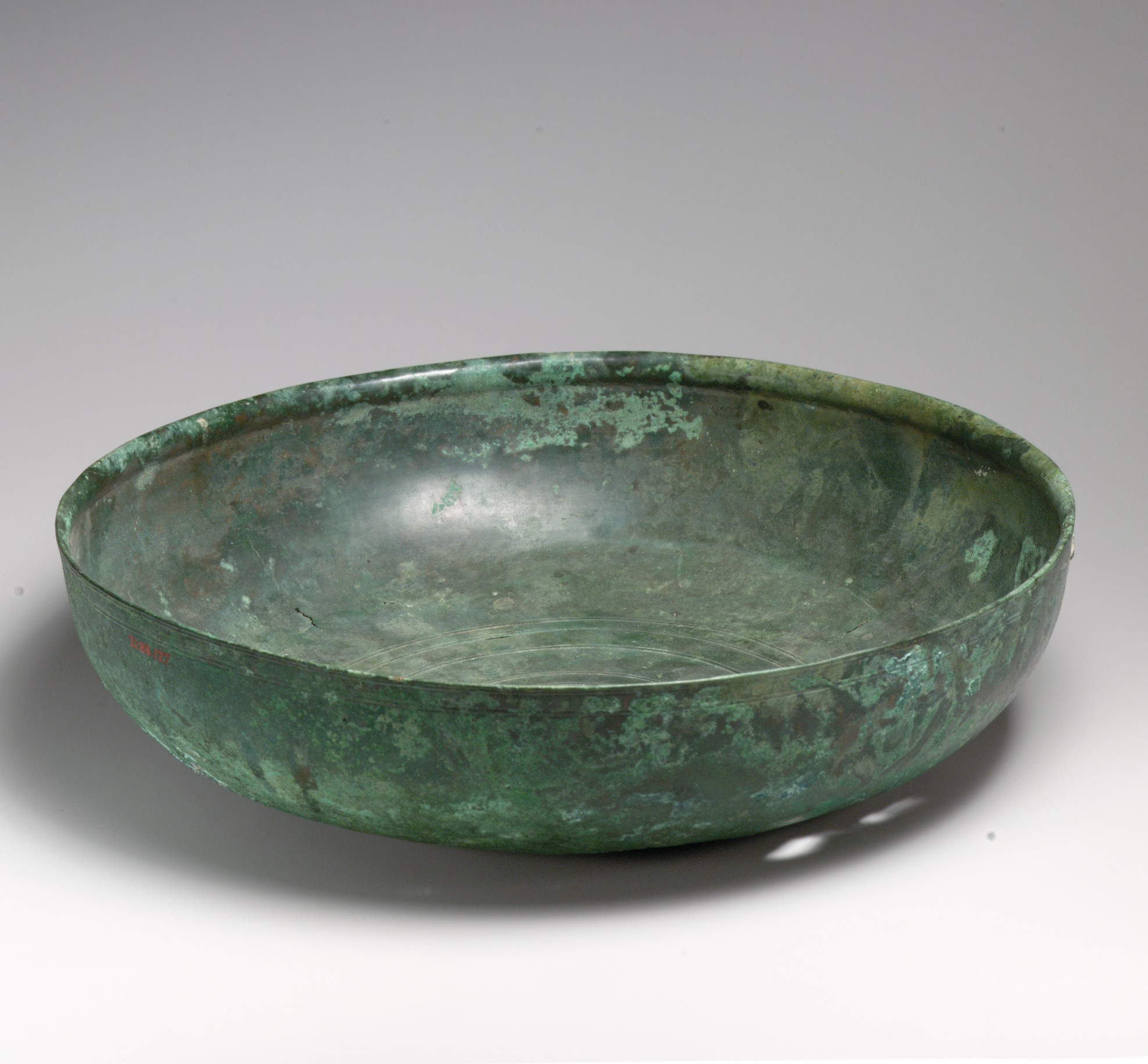
Unknown — "Bronze shallow bowl" (ca. 2nd century BCE–2nd century CE), public domain
Every legionnaire in lockstep?
You’ve seen it in every blockbuster: tens of thousands of Roman troops, boots slamming in perfect time, a wall of shields moving as one. The image is so ingrained you might picture Rome inventing the military march.
The reality: flexible, not robotic.
Roman sources never mention drilling soldiers to march in precise, parade-ground step. Legionaries focused on speed and formation, adjusting stride for terrain. Ancient reliefs—like Trajan’s Column—show ranks moving together, but not as a militarized centipede. The lockstep drill? Prussian, not Roman.
Why do we picture Roman robots?
The myth took off in the 18th and 19th centuries when modern armies made lockstep standard. Painters and movie directors projected it backward onto Romans—because nothing looks more imperial than a synchronized march.
Roman legions didn’t drill or fight in the rigid, synchronized step we see in movies. Ancient accounts and art show a looser, more practical march—formation mattered, but not mechanical precision.
