
Roman Handheld Sundials—Personal Timekeeping
A wealthy Roman could check the time with a sundial no bigger than a pocket watch—carried right in their hand.
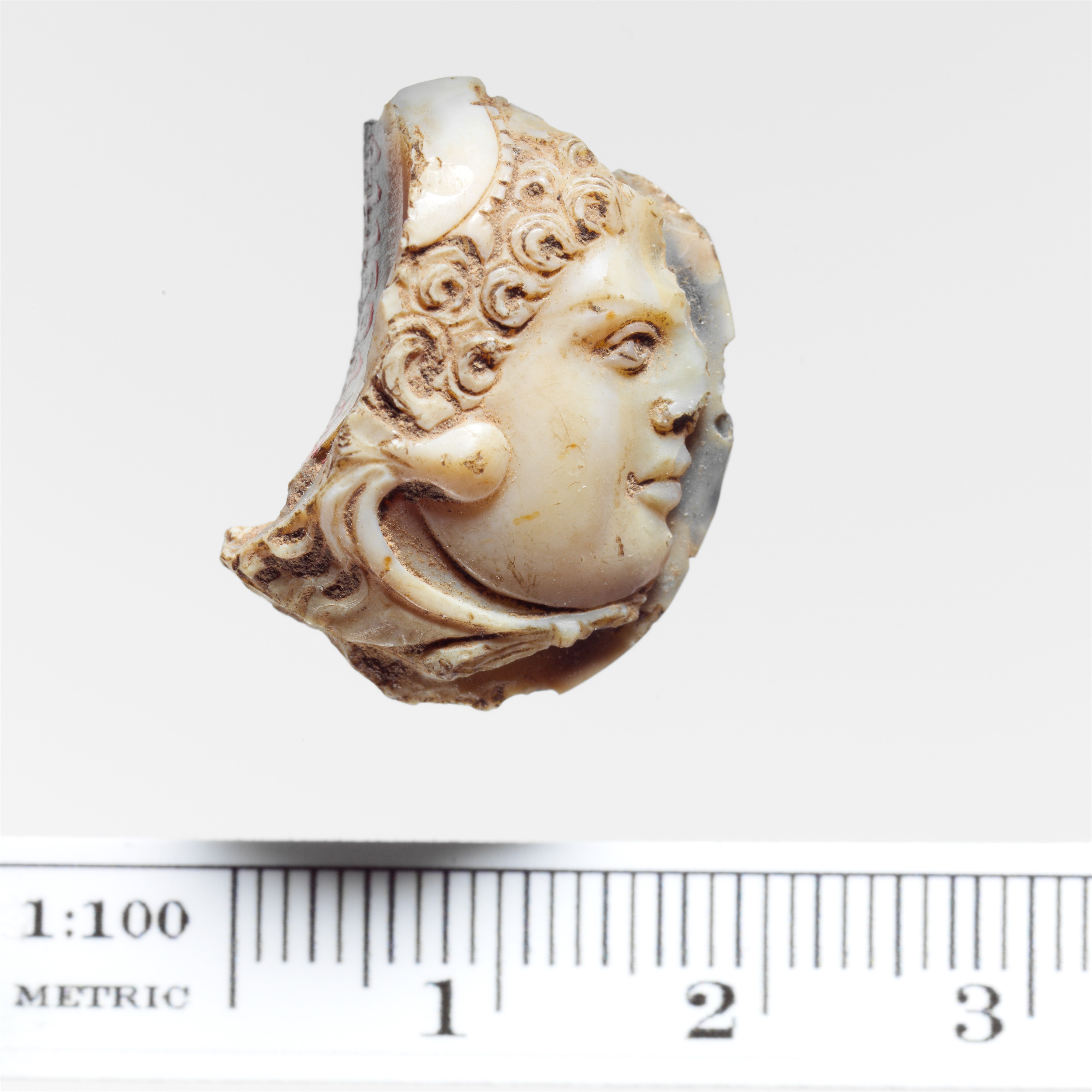
Unknown — "Onyx cameo" (late 1st century BCE–3rd century CE), public domain
Time in Your Palm—Roman Style
Step into a Roman forum. From his toga folds, a senator produces a bronze disk—etched with lines, pierced for a gnomon. He lifts it to the sun. Time, portable, palm-sized, and precise enough for a midday meeting.
Sundials Set For Every City
Archaeologists have found Roman sundials engraved with the names of far-off cities—Londinium, Alexandria, Rome. Travelers would rotate the dial and adjust for latitude, recalibrating the device with every new city. The rest of the empire set its pace by bells and shouts, but the elite carried the sun in their pocket.
Portable sundials have been uncovered across the Roman Empire, some engraved with city names so travelers could reset them for local latitude. Owning one was a mark of sophistication—timekeeping, at your fingertips, centuries before the wristwatch.
