
Roman Hair-Dye: DIY and Dangerous
Roman women bleached their hair with goat fat and beechwood ashes—then covered the smell with perfume.
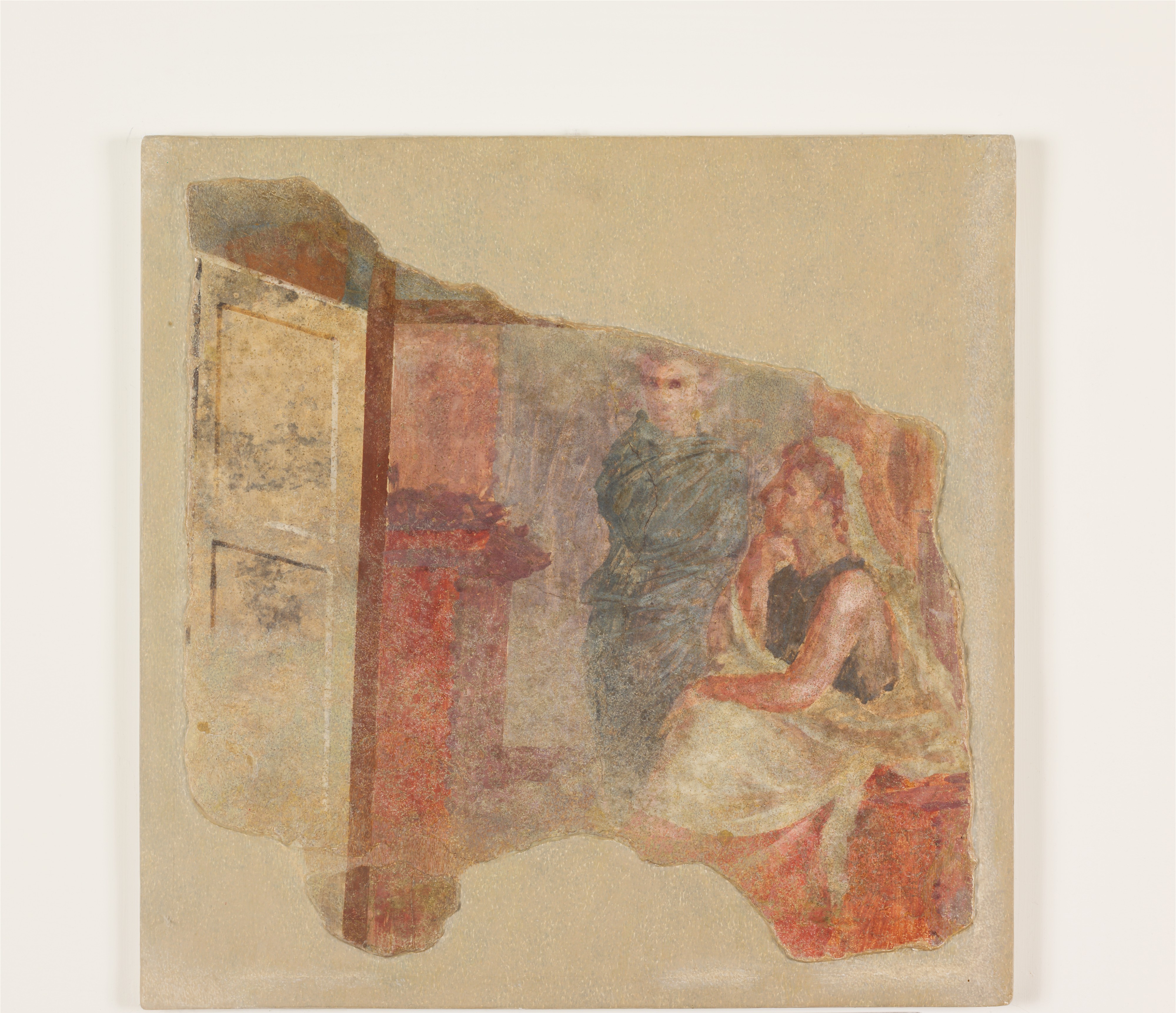
Unknown — "Wall painting fragment from the north wall of Room H of the Villa of P. Fannius Synistor at Boscoreale" (ca. 50–40 BCE), public domain
Goat Fat and Ashes for Blonde Hair
Roman beauty came with risk. To lighten hair, women mixed goat fat with ash from burned beechwood, slathering the paste on their heads until their scalp tingled. The process stank of smoke, but the fashion for blonde—copied from Germanic slaves—was unstoppable.
Scalp Burns and Scented Coverups
Archaeologists have found hairpins, dye jars, and even written recipes from Ovid detailing these home-brewed dyes. The concoction could burn skin and leave hair brittle, so Roman perfumers made strong-scented oils to cover up the aftermath. A good hair day, ancient-style, often meant braving pain and a lingering whiff of livestock.
Fashion could be hazardous in ancient Rome. Surviving recipes and wall paintings show Roman women going to great lengths for blonde hair, even after it burned their scalps and left a reek of smoke and animal fat. The modern salon has nothing on a Roman dressing room—except maybe better ventilation.
