
Roman Warships and the Gangplank Myth
You picture Roman sailors charging ship-to-ship with a wooden gangplank, boarding like pirates. The 'corvus' turns every naval battle into a land brawl. But there’s a twist.
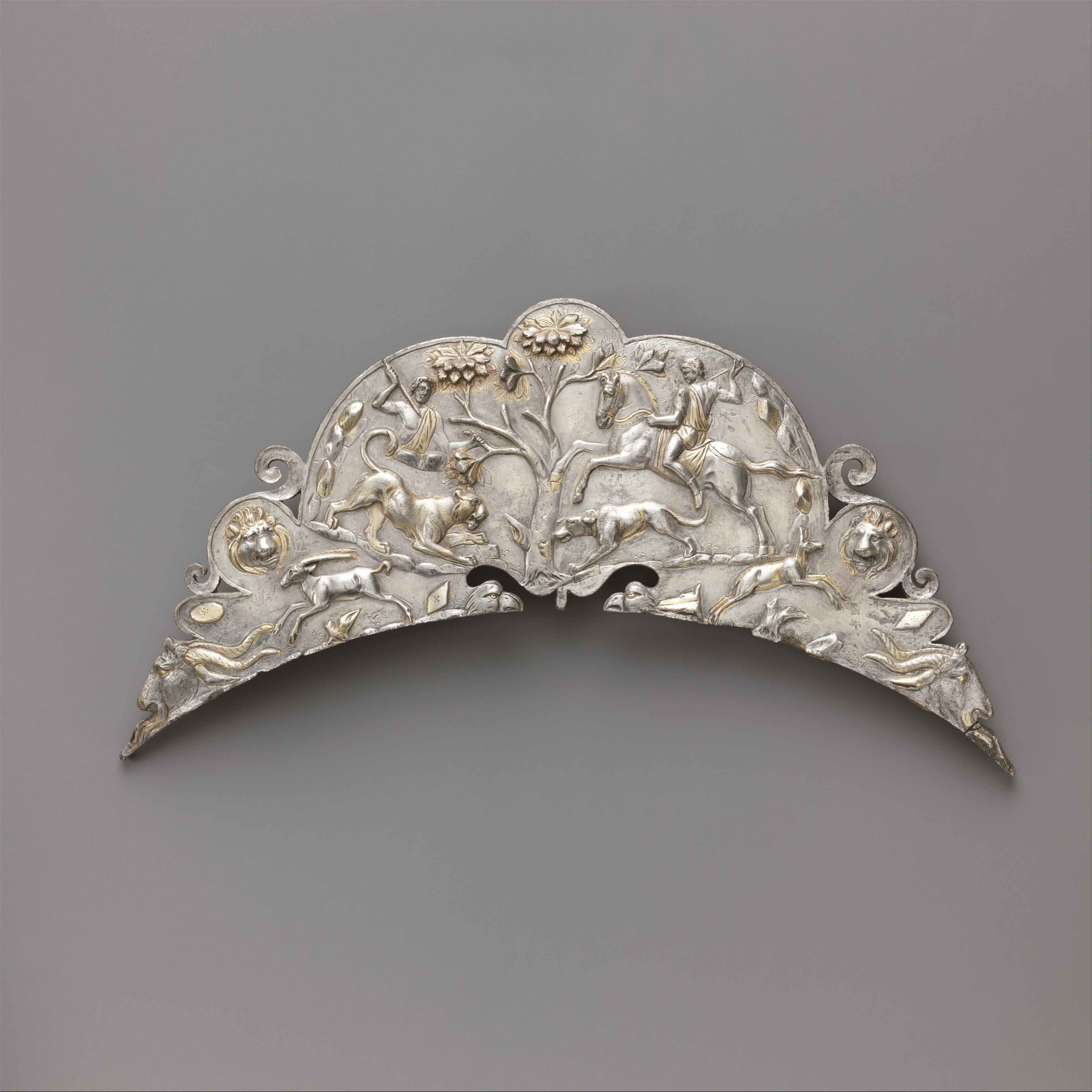
Unknown — "Silver handle of a large dish" (2nd–early 3rd century CE), public domain
The 'boarding plank' Roman navy myth
In every movie, Roman warships close in, crash together, and soldiers pour across gangplanks called 'corvus.' The sea battle turns into a floating street fight—brutal, direct, unstoppable. Everyone pictures Romans fighting naval battles like infantry, plank by plank.
The corvus: a short-lived weapon
Romans did invent the 'corvus,' a massive boarding bridge with an iron spike, around 260 BCE. For a decade or two, it terrified Carthaginian crews—until Roman ships, top-heavy and unwieldy, started capsizing in storms. By the end of the First Punic War, the navy quietly ditched the corvus. Most Roman sea battles after that were classic naval ramming duels—not pitched battles on gangplanks.
How did this myth stick?
Roman pride loved the story: land warriors turning the seas into their own battlefield. Ancient historians like Polybius described the corvus in vivid detail—forgetting to mention how quickly it vanished. Hollywood never got the memo.
The famous boarding bridge, the corvus, was only used for a few decades and then abandoned—because it sank more ships than it saved.
