
Roman Empire Bureaucracy: A Modern Myth
You picture an empire run with files, maps, and bureaucrats—an ancient Rome with red tape and crisp togas.
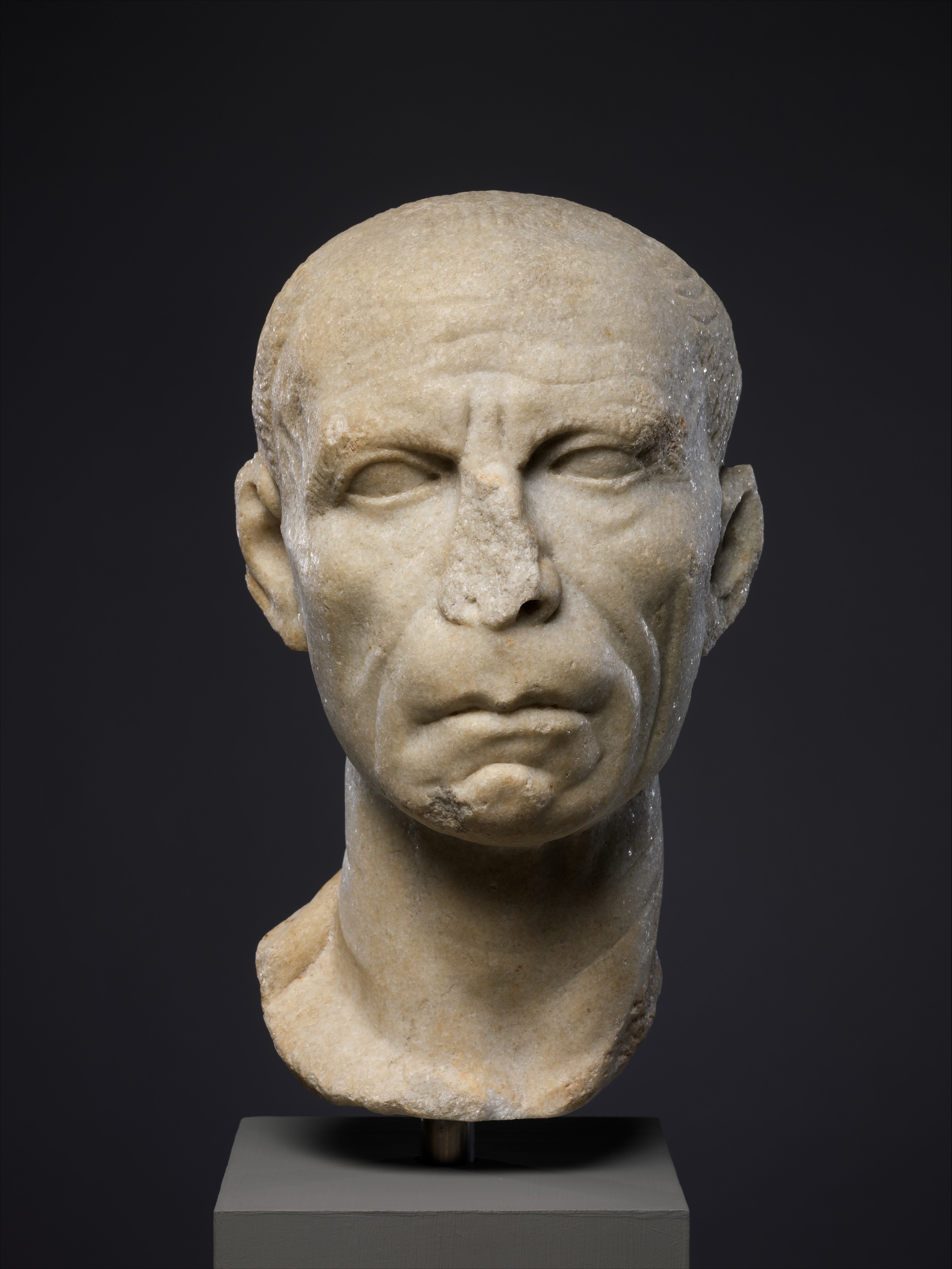
Unknown — "Marble portrait of a man" (late 1st century BCE), public domain
Bureaucrats in togas?
We imagine the Roman Empire as a hyper-organized machine—files stamped, taxes tracked, prefects logging every grain of wheat. It’s the mental model movies and textbooks love: ancient Rome as proto-modern government.
Personal favors ruled, not paperwork.
The reality is messier and more human. Roman bureaucracy was patchy at best. Most government business depended on personal letters, face-to-face lobbying, and patron-client networks. Orders could travel weeks, or get 'lost' if a local bigwig preferred it that way.
The origin of the myth.
Modern historians and filmmakers, dazzled by Rome’s size, projected their own filing cabinets backward. But the empire survived by flexibility, improvisation—and a lot of informal trust. Roman government: less Microsoft Excel, more whispered deals in marble halls.
The Roman Empire ran on personal patronage, not paperwork. Letters, backroom deals, and a web of favors—far from the orderly machine of textbooks.
