
Did Romans Eat Grapes Off the Vine?
The classic scene: an emperor reclines, a slave peels grapes and pops them in his mouth. It’s in every movie about Rome.
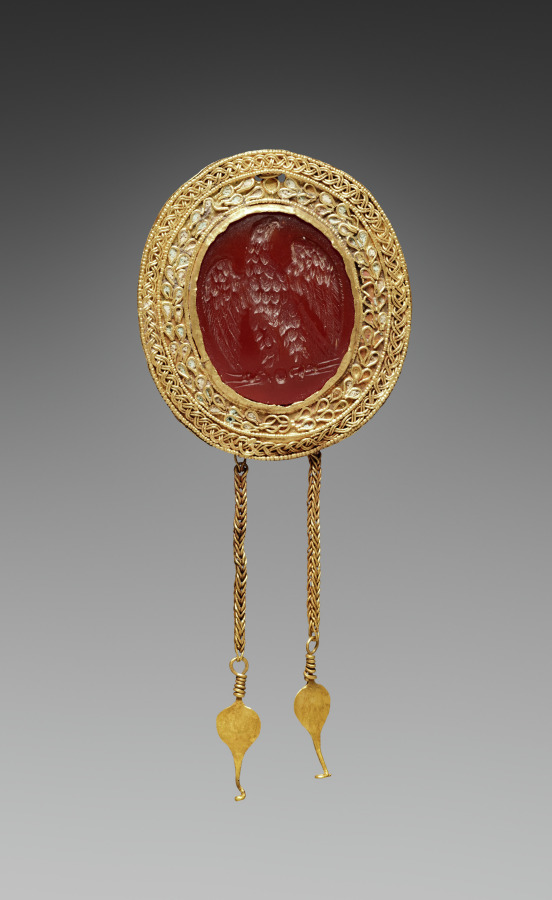
Unknown — "Intaglio: Imperial Eagle" (c. 1–25 CE), CC0
The grape-peeling slave myth.
You picture Nero sprawled on a couch, a beautiful slave dangling grapes over his mouth. Juices glisten. The crowd laughs. This is how we imagine every Roman feast—luxury so extreme, someone else even peels your fruit.
No ancient evidence for grape servants.
Look at Roman frescoes, mosaics, and banqueting manuals. Grapes were piled in bowls, used for wine, or eaten by hand. Not one source describes slaves feeding grapes to masters. Later writers mention fantastical foods, but not this bit of luxury. The image comes from Renaissance paintings, not the ancient world.
How did this myth start?
Blame European artists and writers, especially in the 1500s. Scenes of decadent Romans suited the age's anxieties about excess. One grape at a time: pure invention, painted for effect. Eventually, Hollywood doubled down—and the myth took root for good.
Archaeological and literary evidence shows Romans ate grapes like we do—by the handful or in wine. No ancient source describes anyone being fed by a grape-peeling slave. The myth is pure Renaissance fantasy, painted centuries after Rome fell.
