
Roman Dog Prints Caught in Clay
A Roman puppy pads across wet clay—leaving perfect paw prints that will last two thousand years.
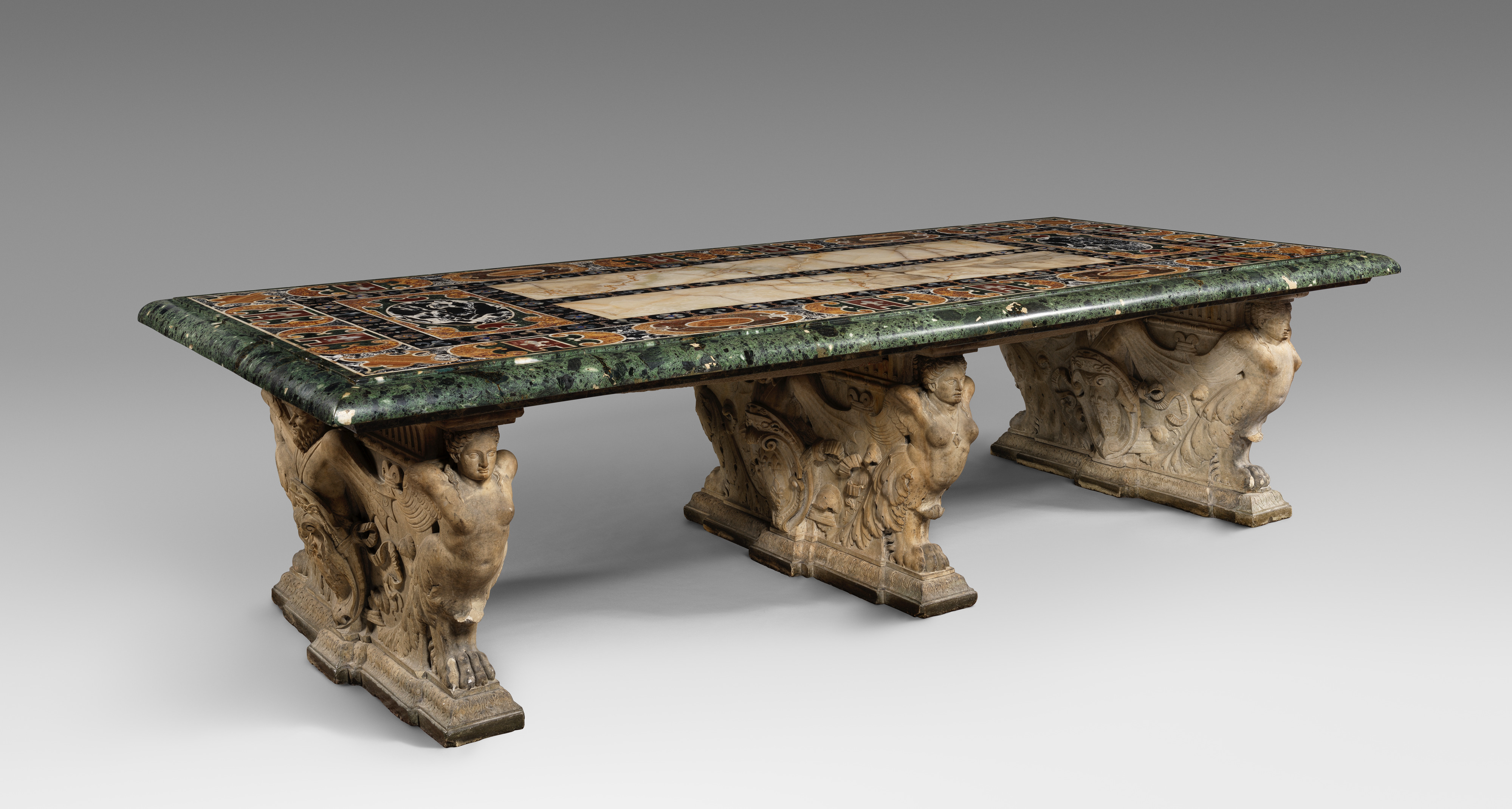
Jacopo [Giacomo] Barozzi da Vignola — "The Farnese Table" (ca. 1565–73), public domain
Roman Dogs Left Their Mark
A Roman puppy pads across wet clay—leaving perfect paw prints that will last two thousand years. Archaeologists keep digging up roof tiles and bricks stamped with dog and cat tracks, pressed right beside workers’ fingerprints.
A Glimpse of Ancient Chaos
These accidental prints are found everywhere from British legion camps to North African towns. Each one captures a moment when the workshop floor was a blur of men, tools, and restless animals—not a sterile production line, but the noisy, living heart of the empire.
Some Roman roof tiles and bricks, dug up from ancient sites, show crisp dog or even cat paw prints—accidents left by animals wandering through busy workshops. Archaeologists find these tiny marks pressed right alongside the fingerprints of the workers themselves, sometimes even overlapped. It’s a snapshot of daily life—work, mess, and stray paws—in an empire that once sprawled from Africa to Britain.
