
Roman Birthdays and Name Days
Roman children didn’t always celebrate their actual birthday. They marked the day they got their name—with a special ceremony and a feast.
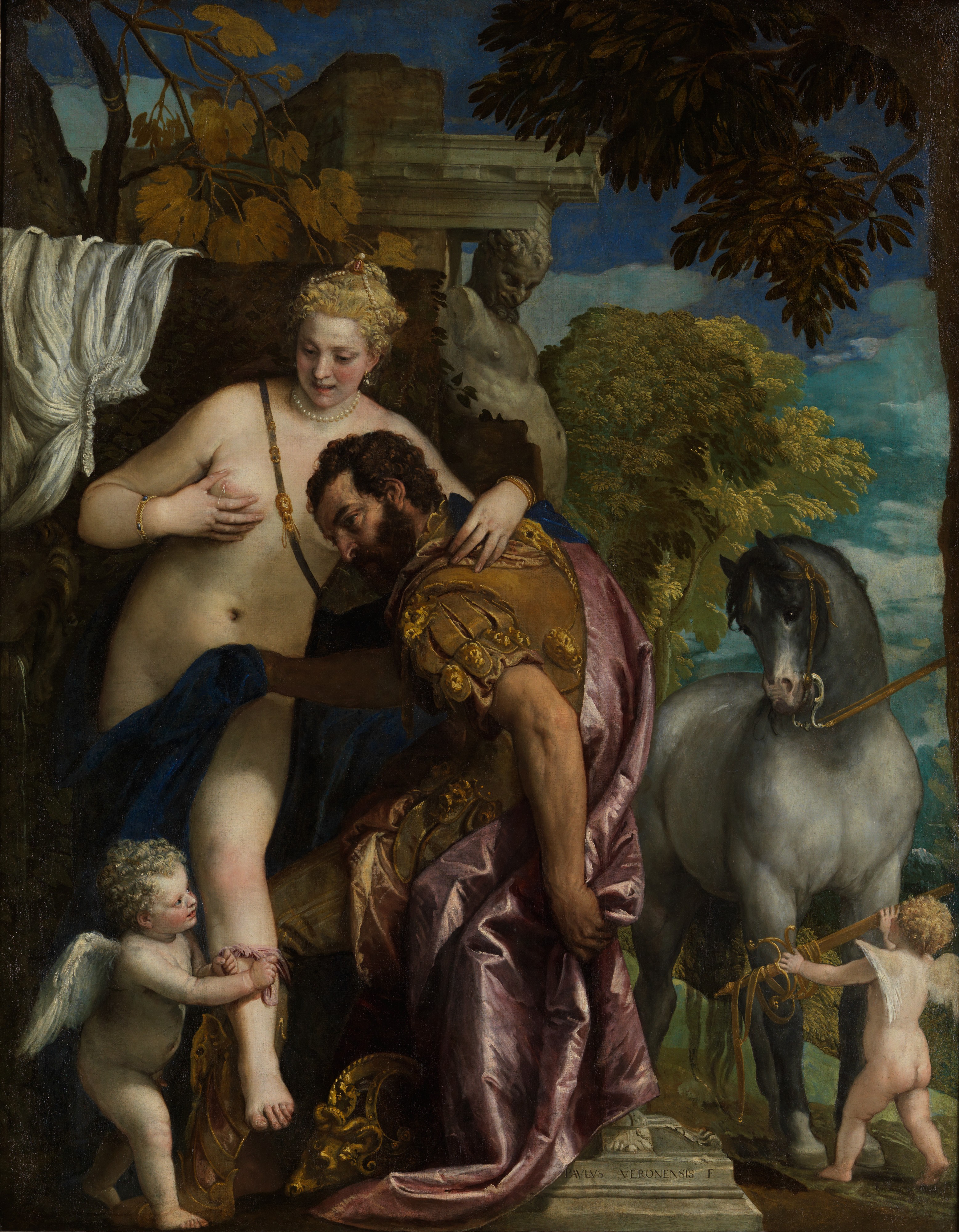
Paolo Veronese (Paolo Caliari) — "Mars and Venus United by Love" (1570s), public domain
The Real Roman Birthday Party
Roman children didn’t eat cake and blow out candles each year. Instead, they waited for the 'dies lustricus'—their naming day. This was the moment a new Roman was formally welcomed into the world.
A Name, an Amulet, a Feast
On this day, parents gathered the family, performed sacrifices, and placed a bulla—an amulet—around the child’s neck for protection. Girls got their names on day eight, boys on day nine. For most, this was the only real birthday celebration.
Only Emperors Had Annual Birthdays
Ordinary Romans rarely marked birthdays after infancy. Yearly birthday parties were for the imperial elite. For everyone else, the day you got your name was the day you truly arrived.
Birthday parties were rare for most Romans, but the 'dies lustricus'—a child's naming day—was a family milestone. Boys got their names on the ninth day, girls on the eighth, marked by gifts, a bulla amulet, and sacrifices. Only the imperial elite held lavish birthday feasts every year. The rest of Rome put more stock in the day your name made you real.
