
Roman Army: Iron Discipline?
You picture every Roman soldier punished instantly for the smallest offense—flogged, decimated, driven by fear alone. The myth of the Roman war machine's merciless discipline is everywhere.
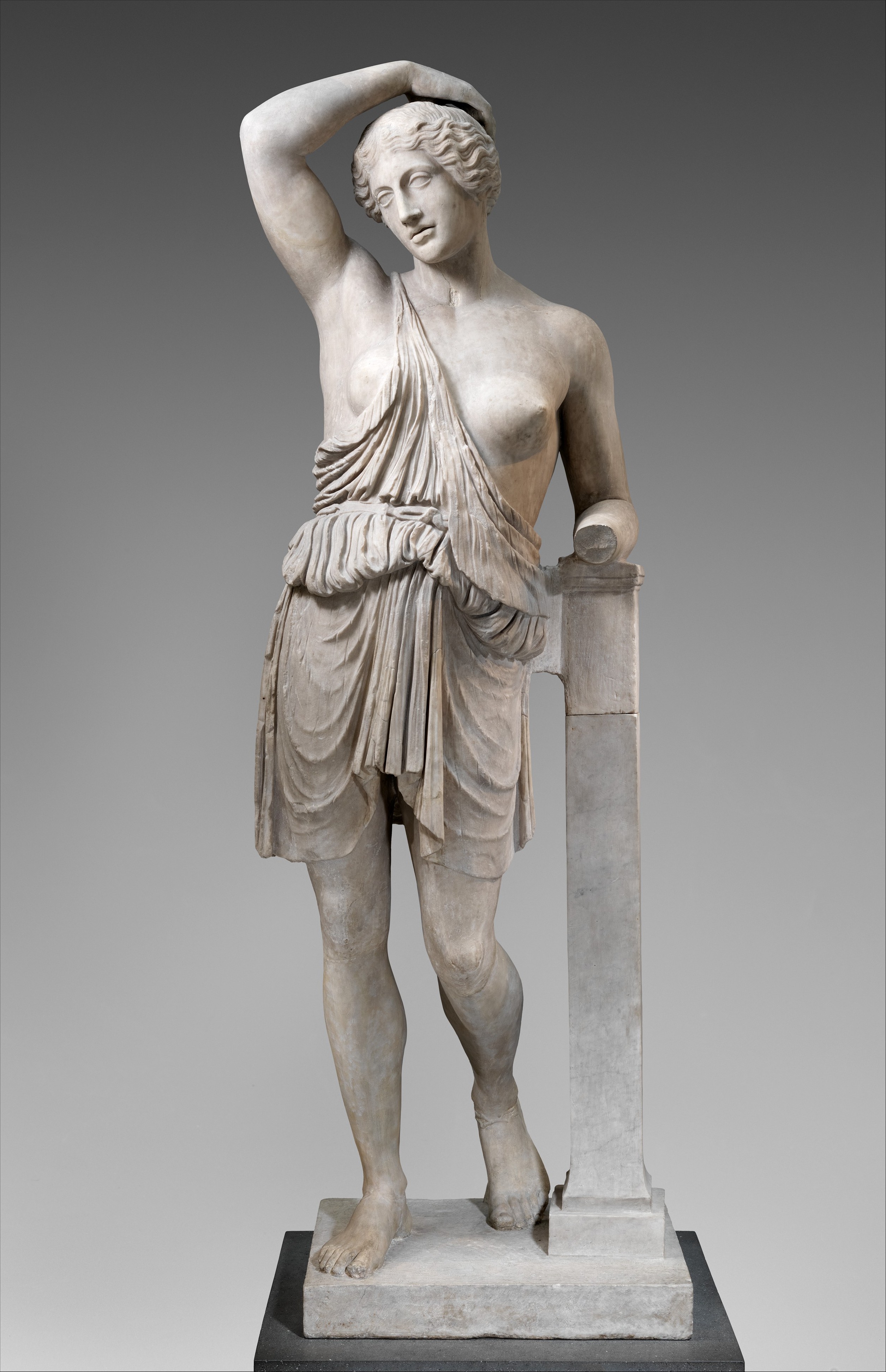
Unknown — "Marble statue of a wounded Amazon" (1st–2nd century CE), public domain
The myth of the harsh Roman drill.
Movies and textbooks paint the Roman army as a marching machine: instant execution for mistakes, endless drills, officers feared by all. Disobedience? Punished on the spot. The message is clear: Rome conquered through terror and iron discipline.
The real army cut deals—and corners.
In reality, officers were often elected by the troops. Soldiers grumbled, bargained, and sometimes even mutinied without automatic violence. Rewards like land grants and bonuses kept morale high. The feared decimation? Extremely rare, used only in dire emergencies. Roman success owed as much to shared incentives as to the threat of punishment.
How did the myth start?
Later historians, and especially Victorian writers, loved the idea of a perfectly disciplined army. Grim statues and stern Latin words helped. But Roman memoirs reveal an army of squabbles, jokes, and officers who survived by compromise—not just the sword.
The Roman army balanced discipline with rewards, negotiation, and surprisingly flexible management—units debated tactics, camp discipline was often loose, and mass executions were exceedingly rare.
