
Christian Martyrs and the Colosseum
The Colosseum wasn’t a conveyor belt of Christian martyrdom. Most victims in the arena weren’t Christians at all—and early accounts barely mention them.
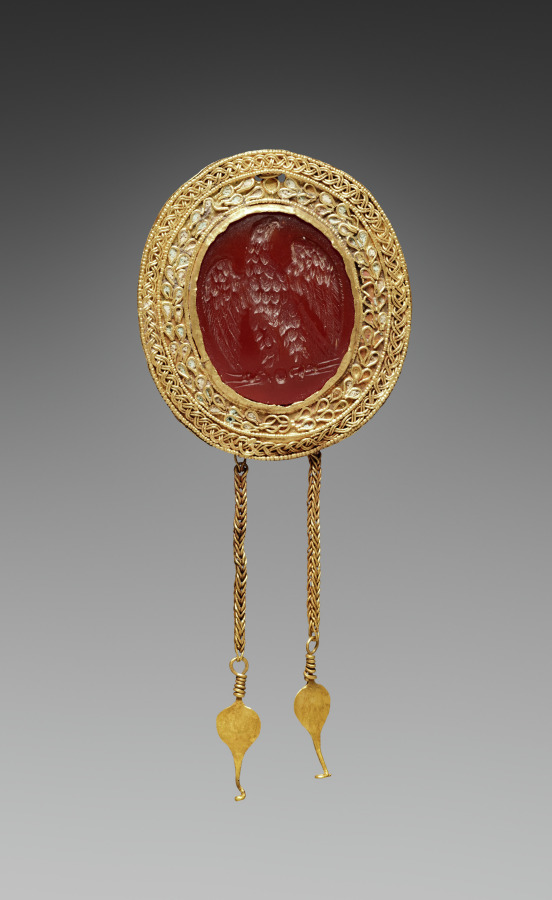
Unknown — "Intaglio: Imperial Eagle" (c. 1–25 CE), CC0
The arena wasn’t filled with Christian martyrs.
Think of the Colosseum and you probably picture Christians being thrown to lions—crowds roaring, faith tested by blood. But ancient sources barely mention such mass martyrdom. Most victims in the arena weren’t Christians at all.
Criminals, not congregations.
Roman records show the majority of arena deaths were condemned criminals, prisoners from Rome’s endless wars, or enslaved people. Early Christian writers like Tertullian mention executions, but not on the cinematic scale popularized later. The real slaughter in the Colosseum was for entertainment, not religious persecution.
How did the myth grow?
Centuries later, Christian storytellers and artists painted the Colosseum as the ultimate stage for martyrdom. Medieval and modern retellings snowballed into the legend we know today—even though the Colosseum itself never appears in the earliest lists of martyrdom sites.
While some Christians did die in Roman arenas, most executions were of criminals, prisoners of war, or slaves. The image of endless Christian martyrdom is a later exaggeration, popularized centuries after the fact.
