
Did Romans Build All Their Aqueducts Underground?
You picture Roman aqueducts: vast stone arches marching above the countryside. But most of Rome’s water ran in hidden channels, deep underground.
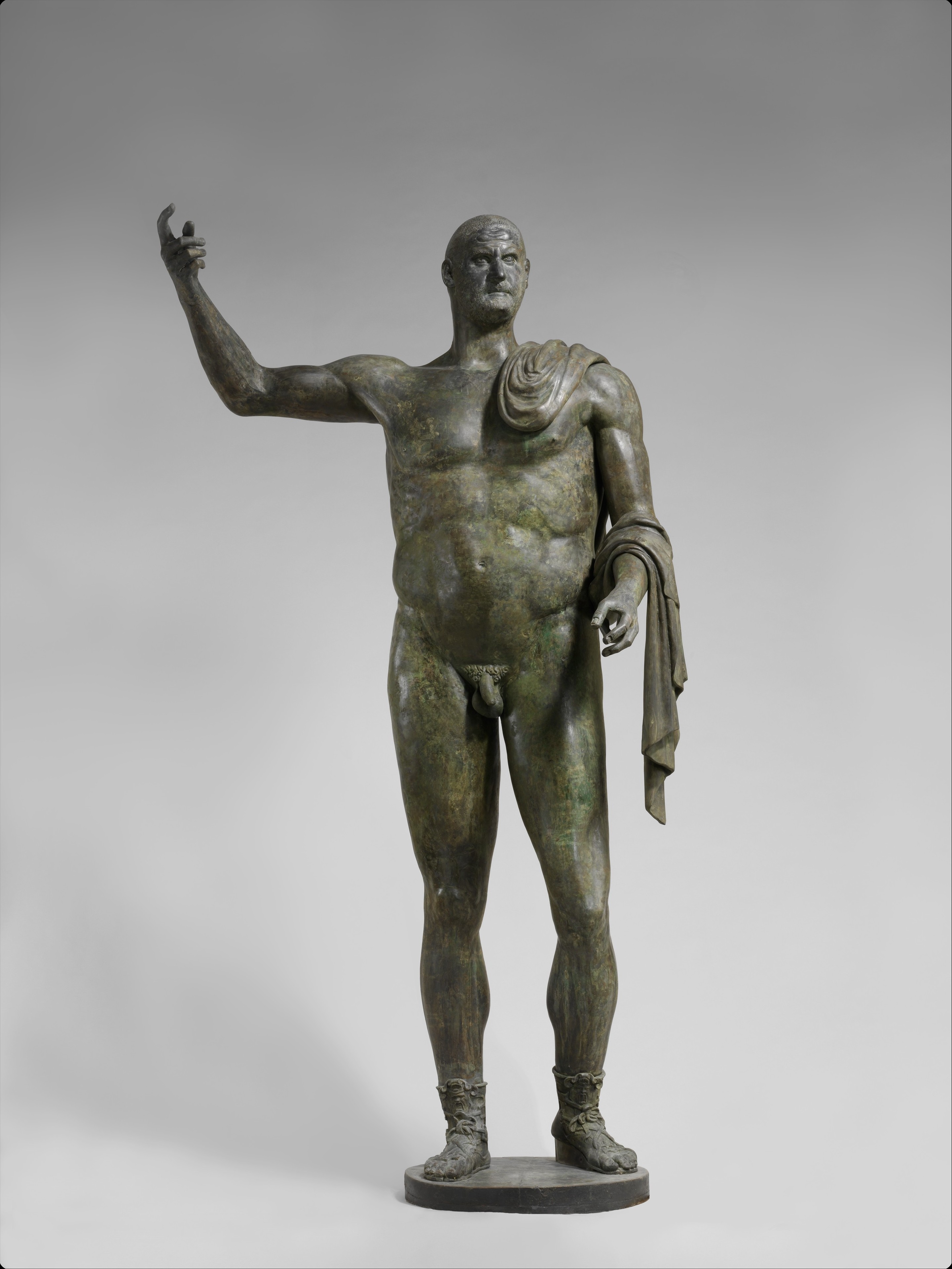
Unknown — "Bronze statue of the emperor Trebonianus Gallus" (251–253 CE), public domain
Grand arches everywhere, right?
Every documentary flashes those swooping Roman aqueducts: tiered arches, water sparkling in the sun. You’d think most Roman water soared through the sky in open channels. That’s movie history at work.
Most were invisible—by design.
Archaeology tells a different story. Nearly all Roman aqueducts ran in covered channels underground—out of reach, safe from sabotage, and far cleaner. The arches on postcards? Less than a fifth of any real aqueduct’s length. Rome’s water flowed unseen, deep in the soil.
Why do we picture arches?
The visible bits—the arches—survived storms and centuries, so they dominate the landscape and our imaginations. Buried brickwork is hard to film. But the real marvel of Roman engineering is how much they hid beneath our feet.
Over 80% of Roman aqueducts were buried—engineered for security and hygiene, not spectacle. The iconic arches? Just the dramatic tip of a much larger system, proven by archaeological digs tracking miles of brick-lined tunnels beneath fields and hills.
