
The Prisoners of Cannae
Thousands of Roman survivors begged to come home after Cannae—only to be met with a wall of silence from Rome.
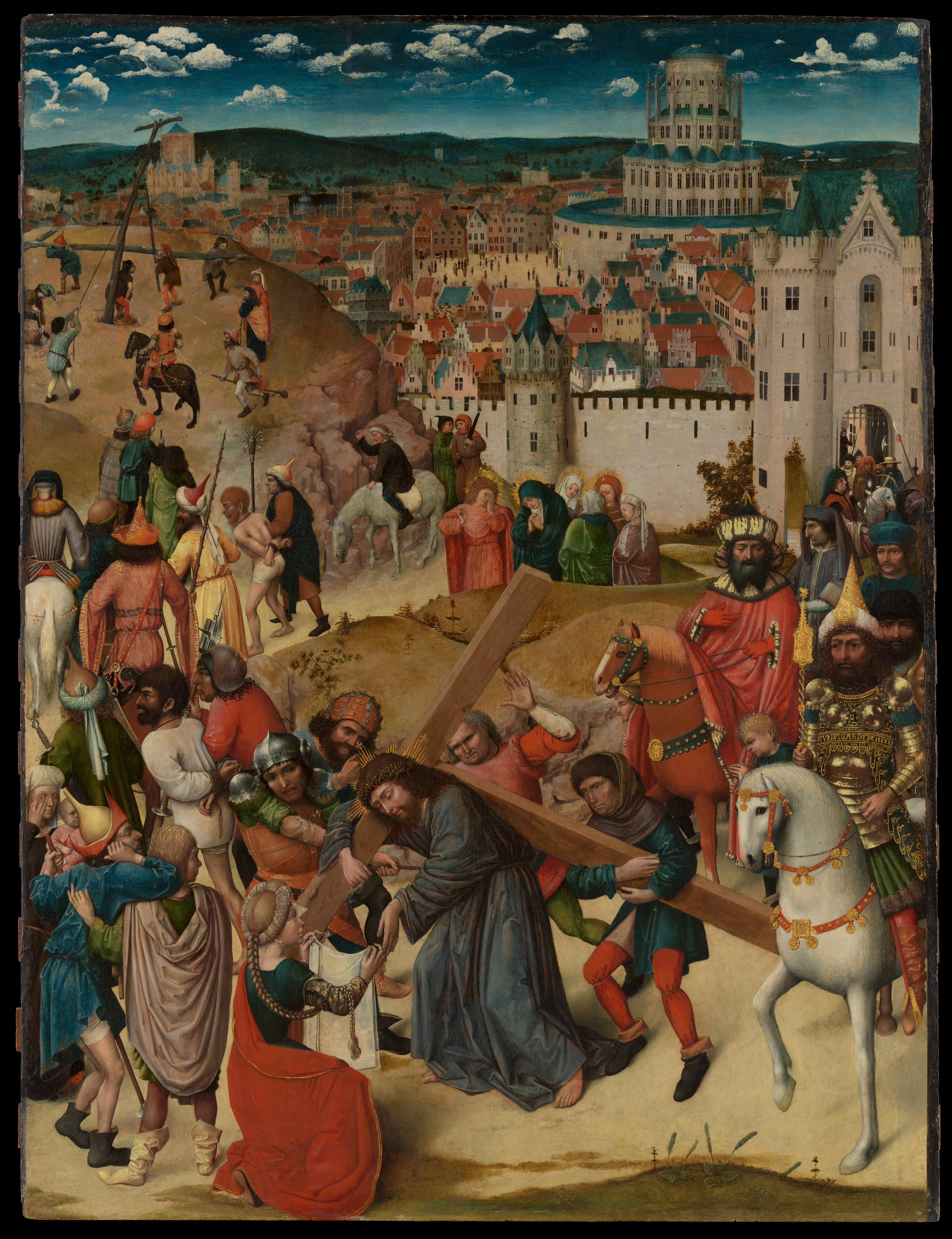
North Netherlandish (Bruges) Painter — "Christ Bearing the Cross" (), public domain
After the slaughter, a bitter choice.
On the field at Cannae, 50,000 Romans fell in a single day—one of the worst defeats in Roman history. About 8,000 were taken alive and sent to Carthaginian prison camps.
Rome’s cold reply.
Desperate families and survivors pleaded for the Senate to pay a ransom. But Roman leaders set their jaws: to buy them back would teach future soldiers to surrender instead of stand their ground. The prisoners were left to fate.
A lesson, not a rescue.
For decades, the story of the Cannae prisoners haunted Rome. To the Senate, it was a sacrifice for the Republic’s iron discipline. To the families, it was a wound that never closed.
After the disaster at Cannae, Rome refused to ransom its own men, leaving 8,000 prisoners to rot in Carthaginian camps. It wasn’t cruelty—it was policy: Rome would rather lose men than encourage surrender.
