
Plutarch: Portraitist of Morals
He never met Alexander or Caesar, but Plutarch shaped how we see them—choosing which details to carve in marble, which to leave in shadow.
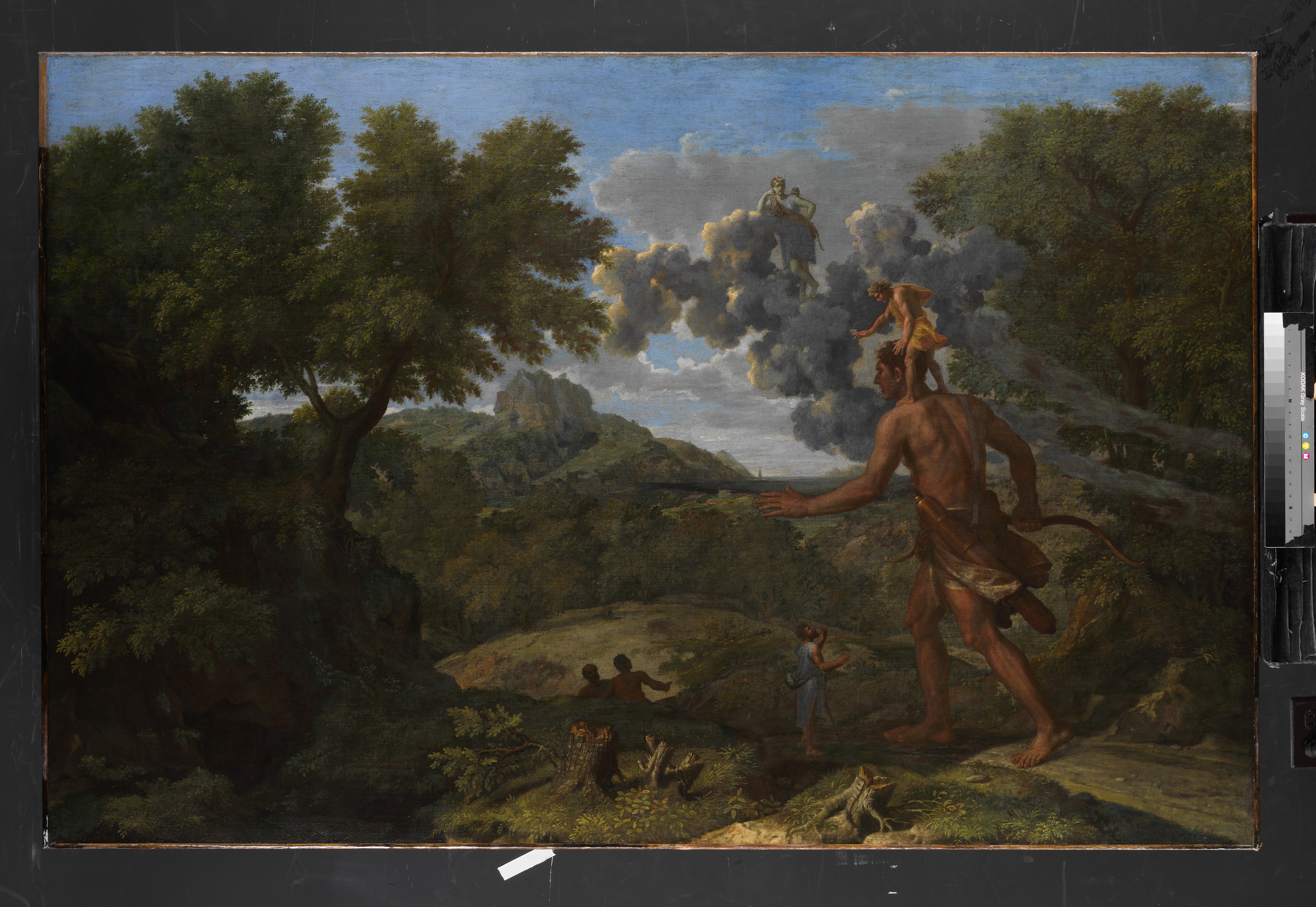
Nicolas Poussin — "Blind Orion Searching for the Rising Sun" (1658), public domain
The Biographer Who Invents Legends
He never met Alexander or Caesar, but Plutarch shaped how we see them—choosing which details to carve in marble, which to leave in shadow. The most vivid stories—Caesar weeping at the foot of Alexander’s statue, Alexander taming Bucephalus—came through Plutarch’s pen, not military reports.
More Than Facts, It’s Character
Plutarch’s Parallel Lives isn’t a roll call of dates and battles. He looks for the cracks in the hero’s armor: Alexander’s drinking games, Caesar’s sleepless ambition, lesser-known moments that reveal character. He wanted to teach, not just record—so he paints his subjects with a storyteller’s brush, making their virtues and vices clash on the page.
History as a Mirror
Plutarch’s heroes become echoes for every era. Are we watching Alexander—or seeing ourselves, reflected centuries later?
Plutarch’s Parallel Lives isn’t a roll call of dates and battles. He looks for the cracks in the hero’s armor: Alexander’s drinking games, Caesar’s sleepless ambition, lesser-known moments that reveal character. He wanted to teach, not just record—so he paints his subjects with a storyteller’s brush, making their virtues and vices clash on the page.
