
Plancia Magna, Mistress of the Temple and the City
Her name is engraved above the city gates—a woman, not an emperor, paid for them.
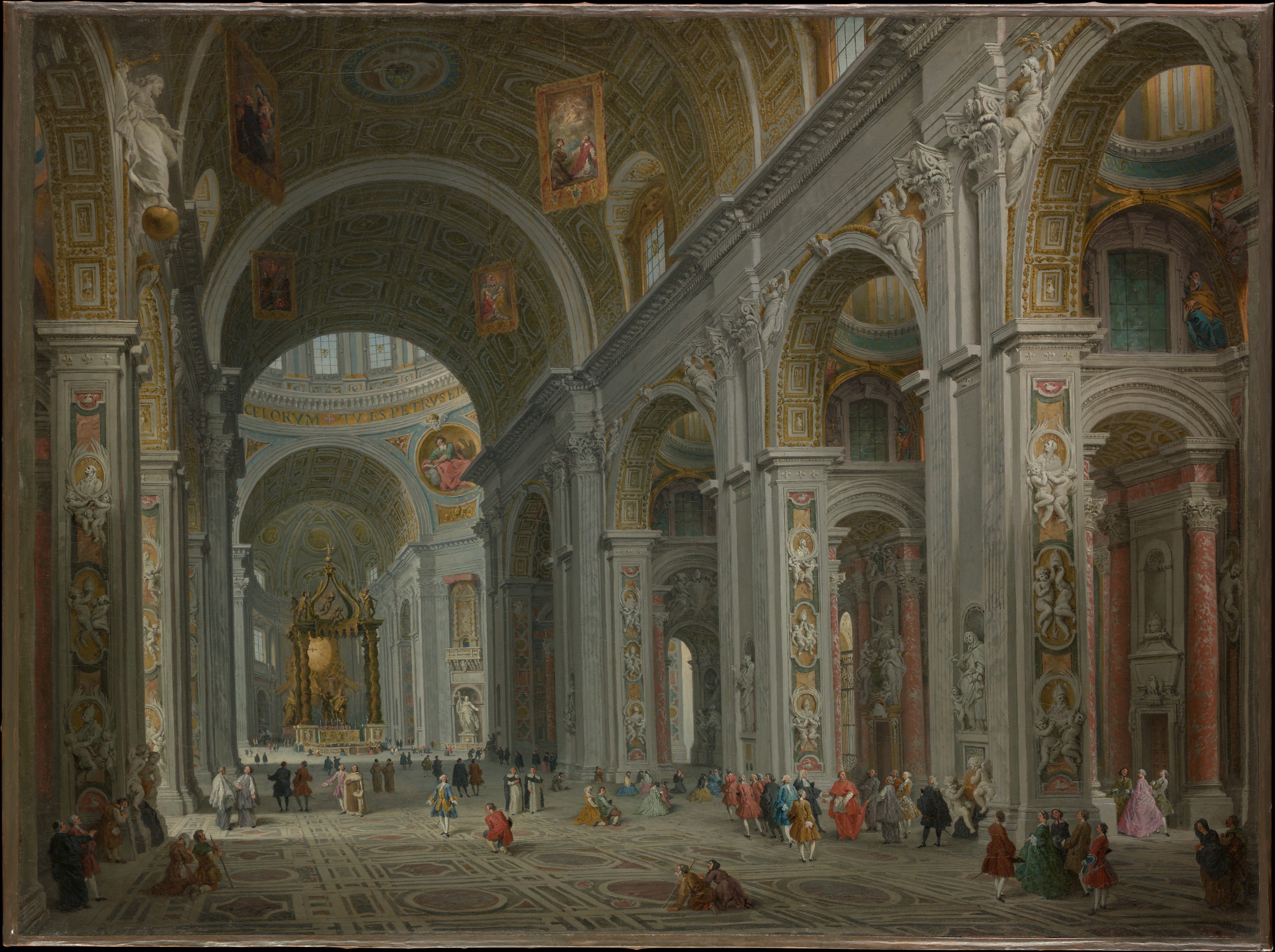
Panini — "Interior of Saint Peter's, Rome" (after 1754), public domain
A Woman’s Name Above the Gate
Her name is engraved above the city gates—a woman, not an emperor, paid for them. Plancia Magna turned her wealth into marble and honor.
Priestess and Power-Broker
As high priestess, she led festivals and spent her personal fortune on temples and theaters. In Perge, her statues stood in Greek and Latin—proof that power wasn’t always hidden behind the throne.
Legacy in Stone
Long after the emperors faded, Plancia Magna’s name endured on city walls—defying the rule that women’s work should disappear when they die.
Plancia Magna, daughter of a consul, spent her fortune rebuilding the temples and theater of Perge. She wasn’t just a wealthy benefactor—she held the office of high priestess and was honored with statues in both Greek and Latin. In a city where women rarely spoke in public, Plancia Magna’s generosity made her the living soul of Perge. Her statues outlasted four emperors.
