
Musonius Rufus on Women and Virtue
"Women have the same natural capacity for virtue as men." Musonius Rufus, in Greek: «ἴση φύσει καὶ τοῖς ἀνδράσι πρὸς ἀρετὴν πέφυκε γυνή.» The toughest Stoic in Rome, and he’s smashing glass ceilings.
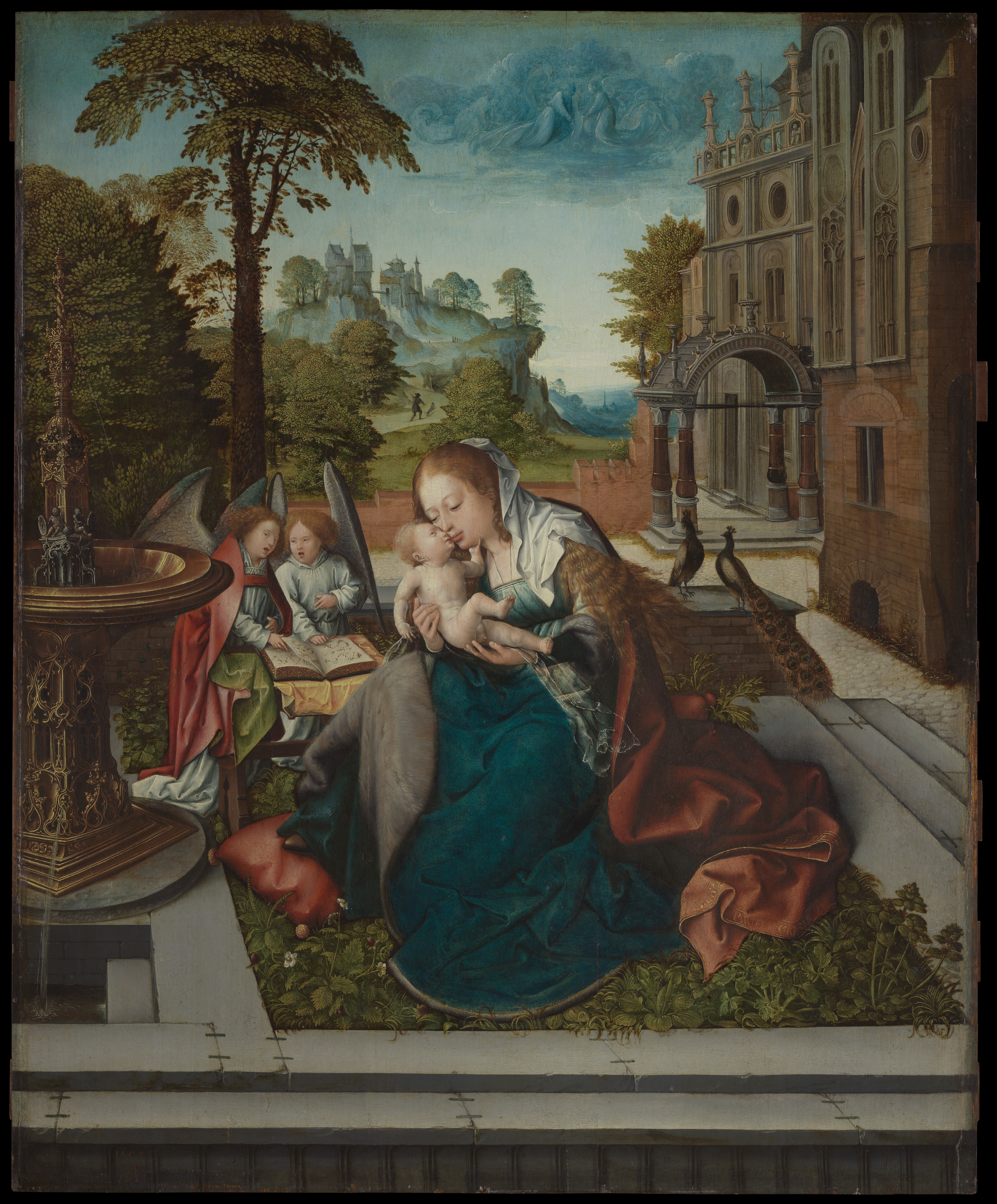
Bernard van Orley — "Virgin and Child with Angels" (ca. 1518), public domain
Who Gets to Be Good?
In Lecture III, Musonius Rufus writes: «ἴση φύσει καὶ τοῖς ἀνδράσι πρὸς ἀρετὴν πέφυκε γυνή.»—"Women have the same natural capacity for virtue as men." This was radical in a city where philosophy was supposed to be a men-only sport.
Virtue Is Not a Boys’ Club
Musonius believed courage, wisdom, and self-control were universal—skills to be trained, not gifts handed out by the gods to a chosen few. He took students of both sexes, and his lectures struck at the heart of Roman patriarchy.
The Stoic Who Broke the Rules
Musonius was exiled multiple times for what he taught and whom he taught. He called philosophy ‘training for life’—and opened the door for women to walk in. Rome mostly shut that door behind him, but his words kept echoing.
Musonius didn’t just talk—he taught women philosophy, defying Rome’s old guard. He saw virtue as a human skill, not a man’s badge.
