
Musonius Rufus on Virtue and Pain
"No pain is so great as to be chosen in preference to virtue." Musonius Rufus, the Stoic drillmaster, says it sharp: «οὐδεμία λύπη τοσαύτη, ὡς ὑπὲρ ἀρετῆς προαιρετέα.» — "No pain is so great as to be chosen over virtue."
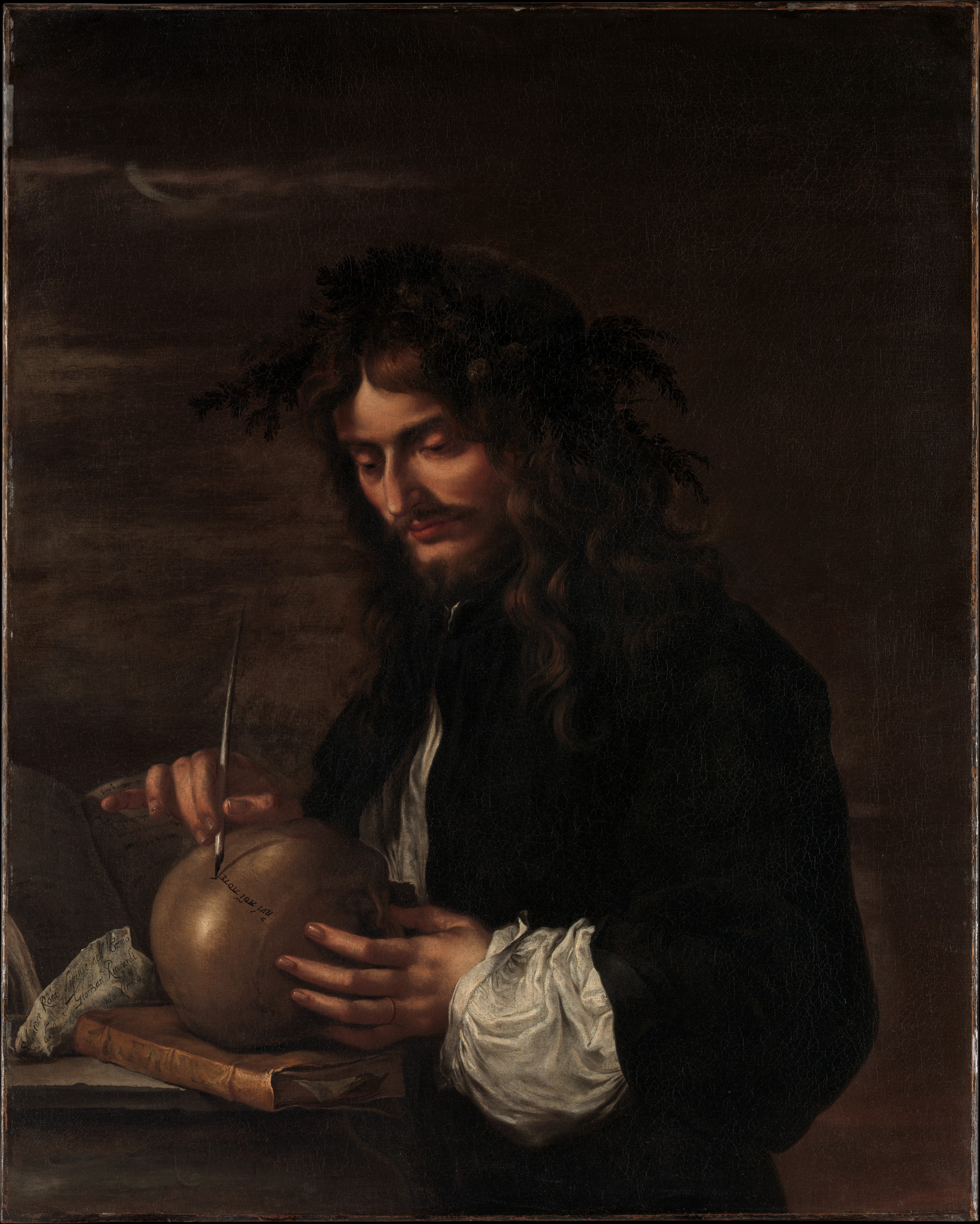
Salvator Rosa — "Self-Portrait" (ca. 1647), public domain
Virtue or pain — pick one
Musonius Rufus, in his Discourses (Lecture 6), hammers the point: «οὐδεμία λύπη τοσαύτη, ὡς ὑπὲρ ἀρετῆς προαιρετέα.» — "No pain is so great as to be chosen over virtue." For him, no suffering was a reason to compromise on what’s right.
When suffering is just a test
Musonius believed pain reveals us: will we do the right thing, even when it hurts? He lectured Roman elite and ordinary women alike that real endurance is moral — not physical. The pain lasts, but so does virtue. One can outlive the other.
The forgotten Stoic
Exiled twice, Musonius Rufus ran philosophical bootcamps for failed politicians and stubborn daughters. He believed virtue wasn’t abstract — it was a set of calluses earned through hardship. His Rome was tough, but he was tougher.
Musonius was not a poet of comfort. He trained senators, soldiers, and his own daughters in the art of suffering for the right thing. To him, pain was a test — not an excuse.
