
Musonius Rufus on Doing, Not Talking
"Philosophy is not words, but deeds." Musonius Rufus, in Greek: «οὐ λόγους ἀλλ' ἔργα ἡ φιλοσοφία.» Rome’s toughest Stoic turns lecture into a challenge.
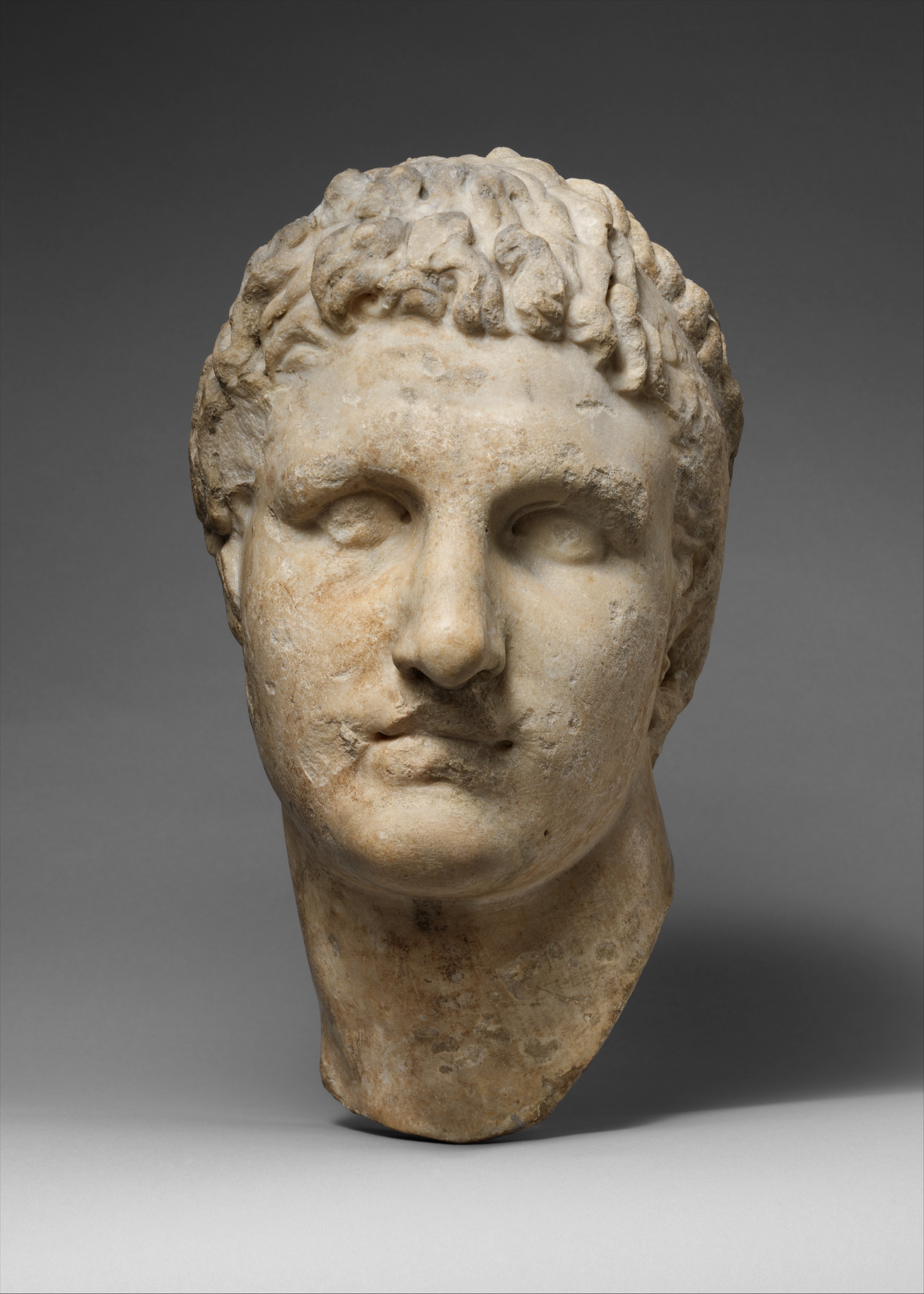
Unknown — "Marble head of a Hellenistic ruler" (1st–2nd century CE), public domain
Live it, don’t just say it.
In Stobaeus’ Anthology 3.1.55, Musonius Rufus gives Stoicism its marching orders: «οὐ λόγους ἀλλ' ἔργα ἡ φιλοσοφία.» — "Philosophy is not words, but deeds." Every lesson was followed by a drill—no room for armchair wisdom.
When theory isn’t enough.
Musonius trained his students by throwing them into real work: farming, caring for the sick, facing exile. To him, it wasn’t enough to talk virtue—you had to sweat it, bleed it, bake it into your daily choices. Only actions proved what kind of person you were.
Who was Musonius Rufus?
Exiled three times, Musonius Rufus ran his school on the outskirts of Rome. He made senators dig ditches and practice silence. His words still sting because he built philosophy as a life, not a lecture.
Musonius believed real philosophy happened in the marketplace, the kitchen, and exile—not the classroom. He forced his students to close their books and live every lesson. Action, not applause, was the final exam.
