
Musonius Rufus on No Excuses
"If you accomplish something good with hard work, the toil passes, but the good endures." Musonius Rufus, Rome’s exile philosopher, made virtue a marathon, not a sprint.
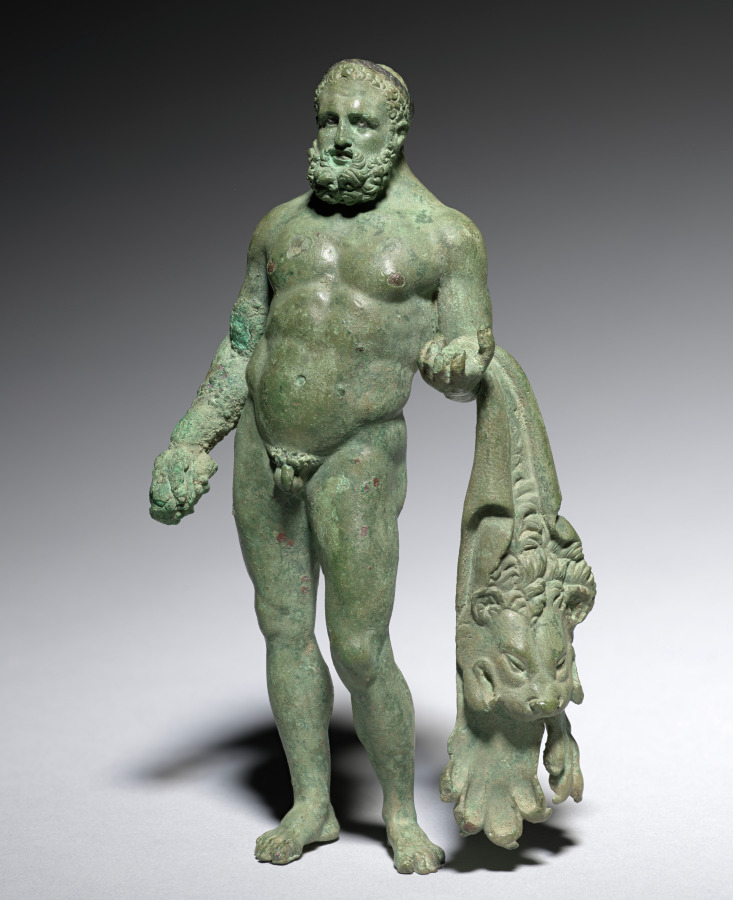
Unknown — "Hercules" (c. 30 BCE–20 CE), CC0
Toil ends, virtue lasts.
Musonius Rufus, in Lectures (Fragment 6), declared to his students: «Ἔργον καλὸν ἐὰν κἀπὸ πόνου λάβῃ τις, ὁ μὲν πόνος παρέρχεται, τὸ δὲ καλὸν μένει.» — "If you accomplish something good with hard work, the toil passes, but the good endures." Pain is temporary, Musonius argued, but the benefit sticks.
How Stoics outlast discomfort.
Musonius spent years banished from Rome, working the land and teaching. He hammered this point: suffering is just the price of entry for anything worth having. Comfort fades instantly, but what you build by braving discomfort outlives you.
Virtue as a Roman sport.
Musonius Rufus wasn’t gentle. He trained senators and slaves alike to endure cold, hunger, pain — not as punishment, but as preparation. For him, every hardship was a practice field for something that would stick long after the aches were gone.
For Musonius, pain was fleeting and excuses had no shelf life. If you want the reward, you have to push through the rough parts — and they never last as long as you fear.
