
Musonius Rufus on Practicing Virtue
"Virtue is the result of learning and practice." Musonius Rufus, Rome's toughest classroom bouncer, didn’t care how good you sounded—only what you did.
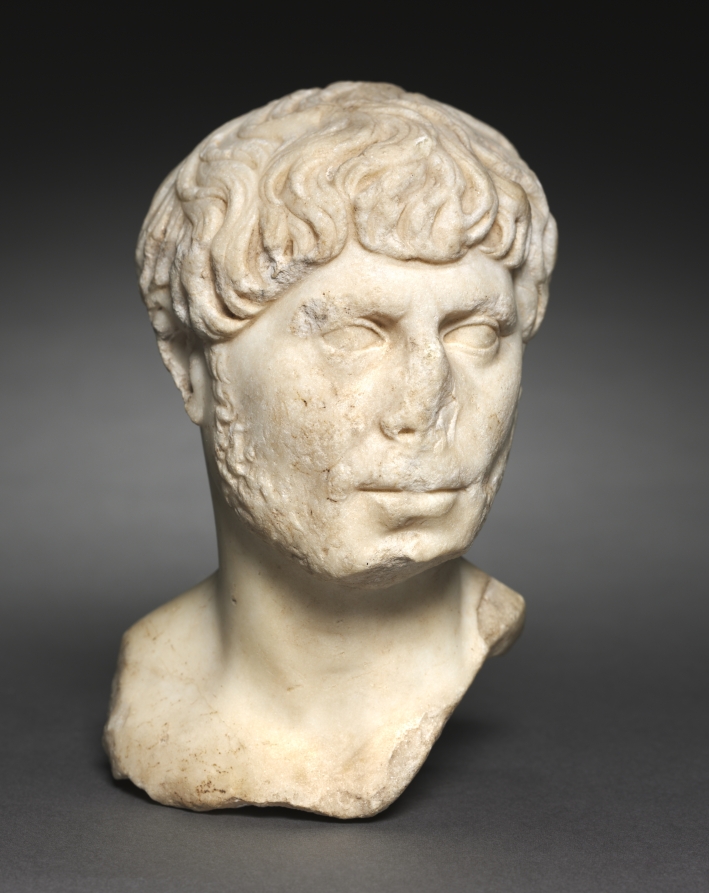
Unknown — "Head of a Bearded Man" (c. 125 CE), CC0
Virtue isn’t born, it’s built.
Musonius Rufus, in his Lectures (Fragment 1, Lutz), hammers it: «Ἀρετή διδασκαλίας καὶ μελέτης ἀποτέλεσμα.» — "Virtue is the result of learning and practice." No one gets a free pass: even Roman blue bloods had to sweat for it.
Why talk is never enough.
For Musonius, philosophy wasn’t a word game—it was a training ground. He made his students drill self-control, courage, and justice until it hurt. Virtue, to him, was muscle, not poetry.
The exile who ran Rome’s hardest bootcamp.
Musonius Rufus got exiled for his opinions more than once. He ran his lessons from wherever Rome dumped him, drilling discipline into anyone who’d listen. His teachings are a slap to modern armchair virtue—practice or go home.
Musonius laid down the Stoic ground rule: ideas mean nothing without sweat. He pushed senators and slaves to get their hands dirty in virtue, not just nod along.
