
Musonius Rufus on Self-Control at the Table
"It is not living, but living well, that is to be sought." — Musonius Rufus didn’t serve this up as a toast—he spit it into Rome’s banquet bowls.
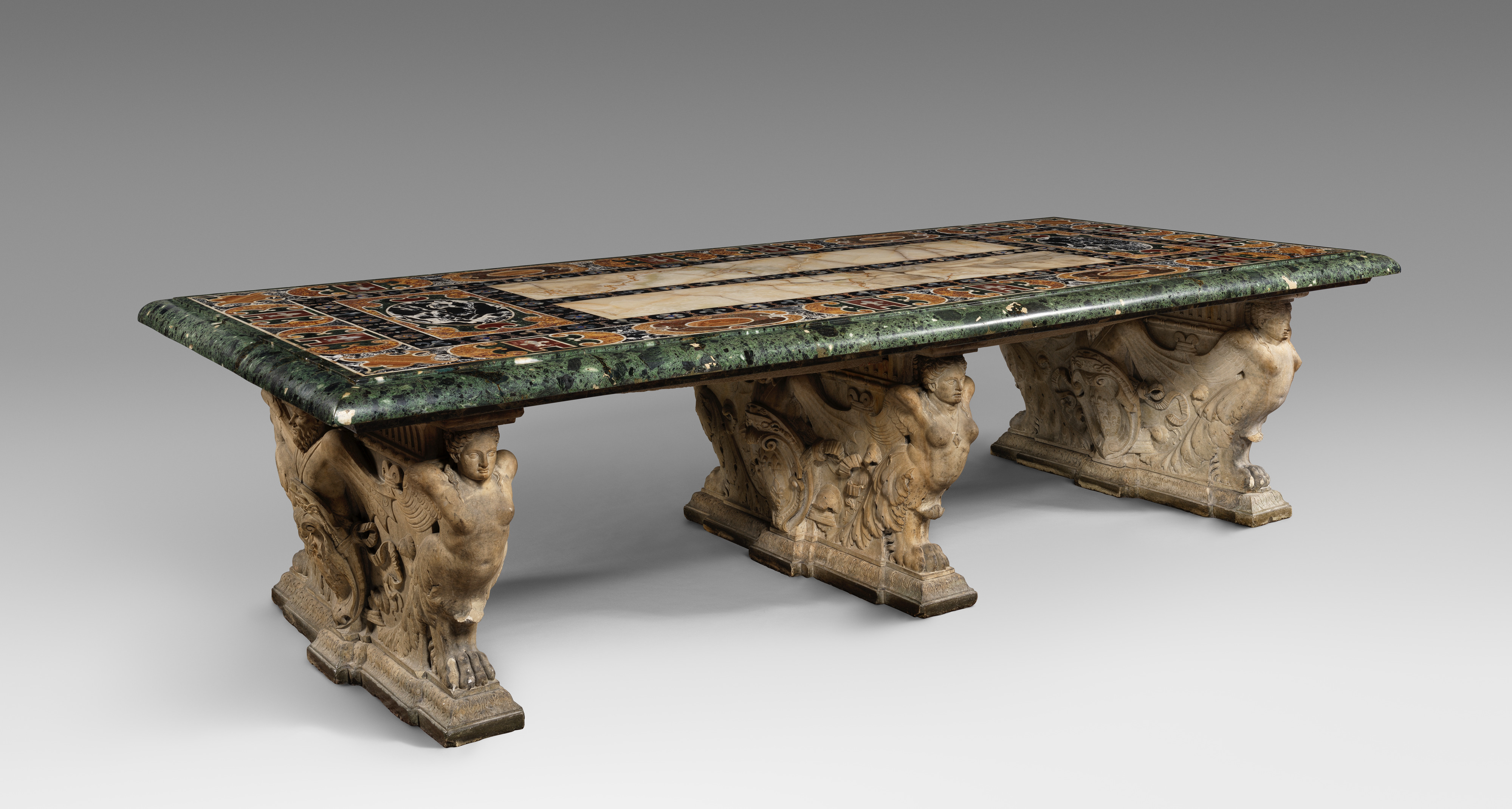
Jacopo [Giacomo] Barozzi da Vignola — "The Farnese Table" (ca. 1565–73), public domain
Musonius Rufus at the feast.
Musonius Rufus, in Lectures (Fragment XVII), serves his manifesto: «Οὐ τὸ ζῆν, ἀλλὰ τὸ εὖ ζῆν ζητητέον.» — «It is not living, but living well, that is to be sought.» Rome celebrated indulgence; Musonius poured cold water on the orgy.
Every meal, a moral test.
Musonius wasn’t just inventing Stoic diet plans. He saw food as philosophy on a plate—willpower, restraint, and knowing when to stop mattered more than flavor. To live well, for him, meant hunger for virtue over appetite for pleasure.
A rebel at dinner.
Musonius was exiled for speaking his mind too loudly. He ate roots while senators gorged on peacock. He didn’t just talk about self-control—he made it as visible as the food he left untouched.
Musonius wasn’t ascetic for show. He believed every meal was a test of character. In the city of excess, he chose roots over delicacies, and virtue over taste.
