
On This Day: May 17 Was a Dies Comitialis
May 17 in Rome: The day opens for business—and for new laws. Every hand raised could tip the balance of power.
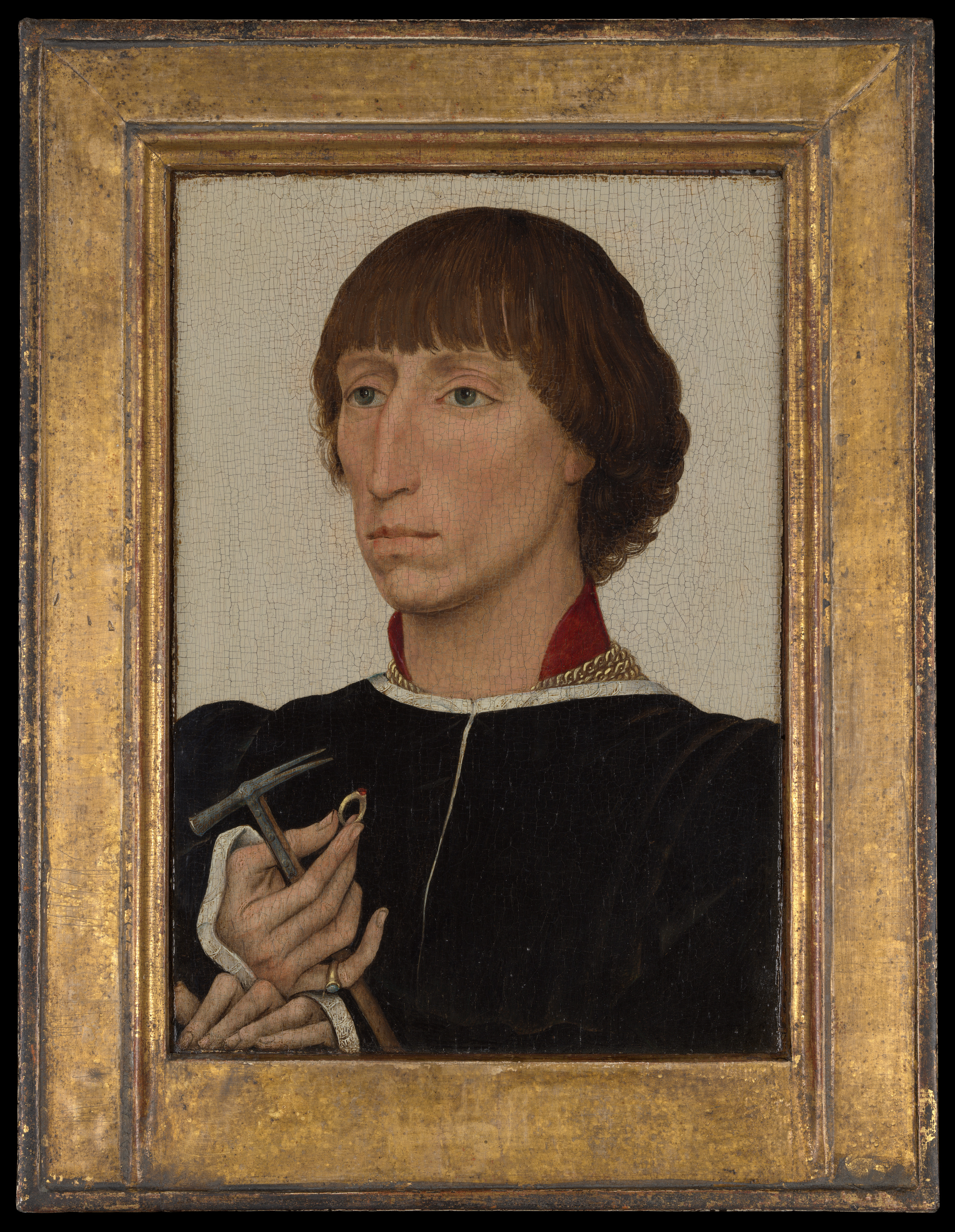
Rogier van der Weyden — "Francesco d'Este (born ca. 1429, died after 1486)" (ca. 1460), public domain
Power in the air, votes in the open.
May 17 marked a dies comitialis—one of the rare days when voting, debate, and trials could shake Rome’s future. Tribunes, senators, plebs—all eyes fixed on the Forum. Speeches rang out above the noise of sandals on stone.
Justice and law by a show of hands.
On this day, new laws could be passed, magistrates elected, even exiles recalled. But Roman religion held the trump card: a bad omen could send everyone home. Politics, fate, and piety—no business without divine permission.
A city run by calendar and courage.
The rules of the Roman calendar weren’t just tradition—they were the spine of public life. Miss a dies comitialis, and you missed your chance at history. Every date was a battleground with no second chances.
On a dies comitialis, like May 17, citizens packed the Forum to vote, debate, and decide Rome’s fate—all under the watchful eyes of the gods.
