
Marcus Aurelius on Letting Go
"Let the wrong that is done to you stay there, where it was done." — Marcus Aurelius won’t carry someone else’s poison. «ἐκεῖσε αὐτὸ κατάλιπε ὅπου τὸ ἔργον ἐγένετο.»
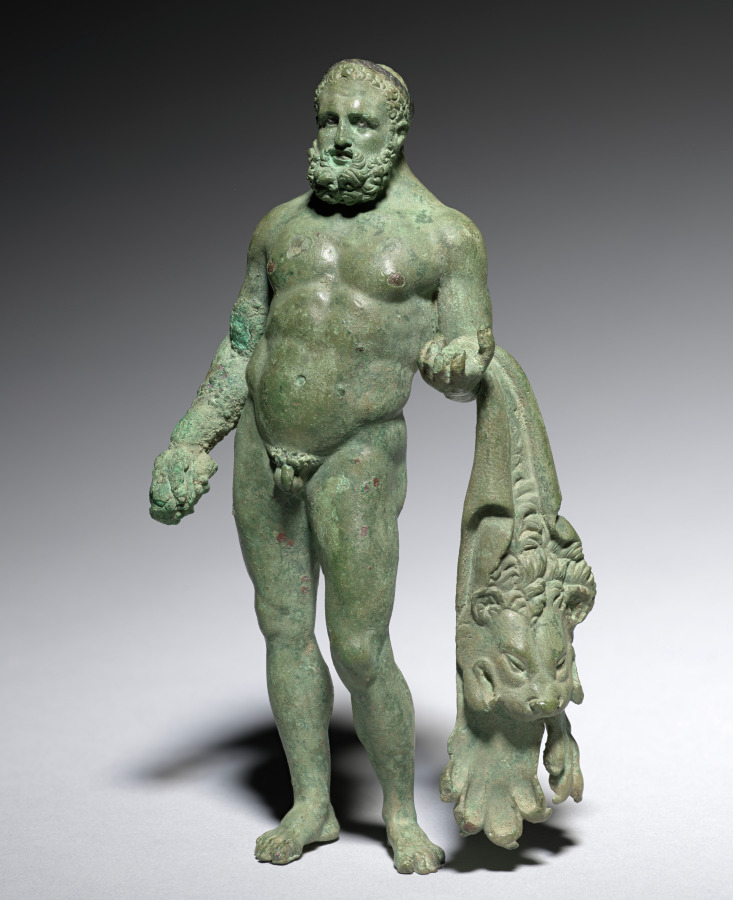
Unknown — "Hercules" (c. 30 BCE–20 CE), CC0
Drop it where it fell.
In Meditations, Book V, Marcus Aurelius writes: «ἐκεῖσε αὐτὸ κατάλιπε ὅπου τὸ ἔργον ἐγένετο.» — "Let the wrong that is done to you stay there, where it was done." He’s not inviting you to forget—just to stop dragging old wounds into new days.
Don’t poison the well.
Marcus knew that resentment takes up space in the mind that ought to be used for living. By leaving the offense behind, he’s fighting to keep his mind clear—even when others act badly. It’s self-preservation against bitterness.
Who was Marcus Aurelius?
Emperor, soldier, reluctant philosopher—Marcus ruled Rome during wars and plague, scribbling thoughts for himself, not posterity. He ordered armies, but waged his longest fight in his own mind.
Marcus is not promising forgiveness—he’s promising himself relief. The emperor who bore armies refused to bear grudges.
