
Did Greeks Really Crown Every Winner with Laurels?
Olympic athletes, poets, generals—Hollywood loves to crown them all with laurel wreaths. But most Greeks never touched one.
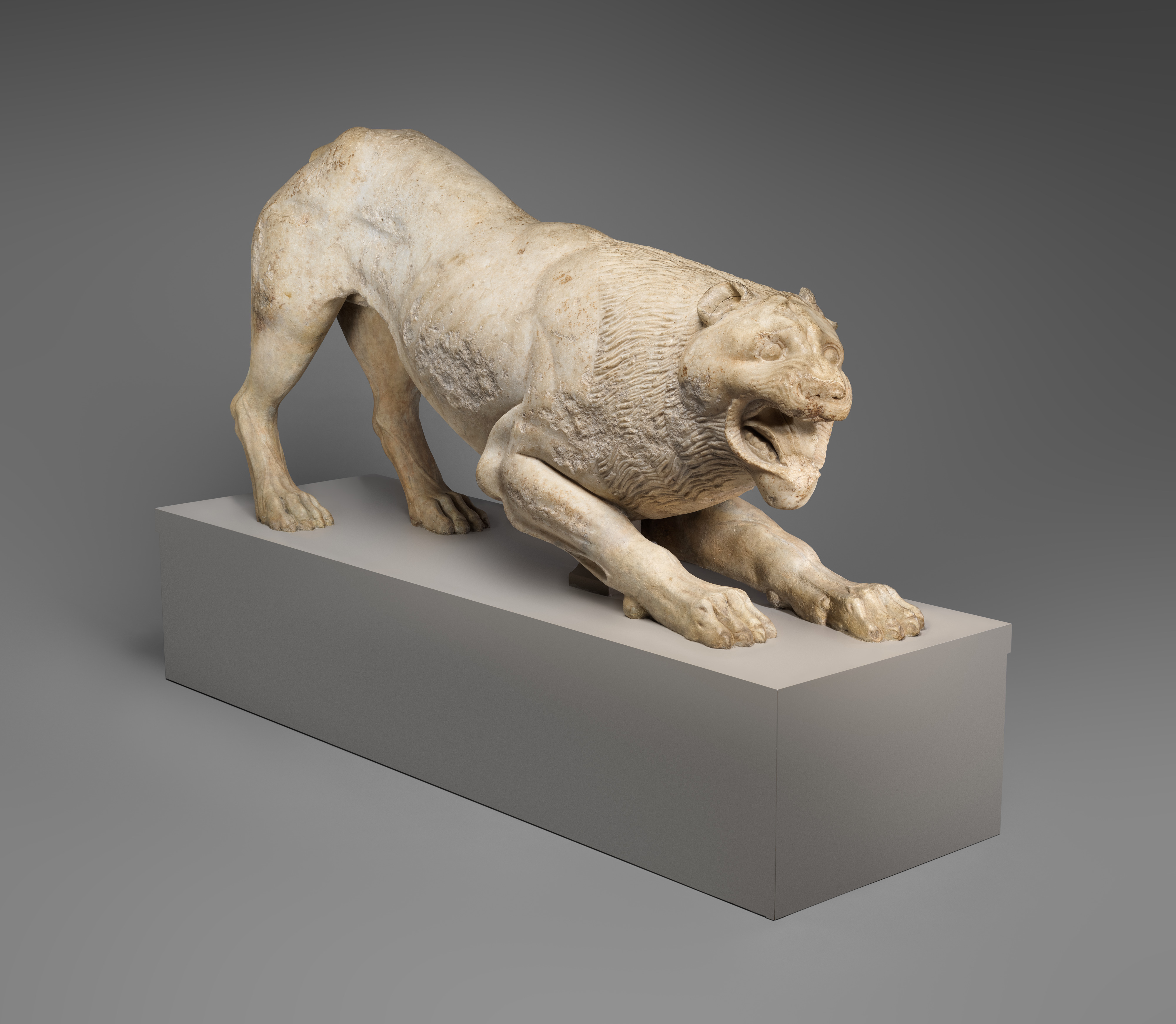
Unknown — "Marble statue of a lion" (ca. 400–390 BCE), public domain
Laurel for every winner?
Picture Socrates in a laurel crown. Or an Olympic runner, wreathed in fragrant green. We’ve seen it in textbooks and film: every Greek champion crowned in laurel. In reality, most victors never wore one.
A rare and sacred plant.
The laurel wreath was the special prize at Delphi’s Pythian Games, sacred to Apollo. The Olympic Games used olive—cut from the grove at Olympia. Poets might win crowns of ivy or celery, depending on the festival. Laurels were rare, heavy with meaning, not everyday accessories.
Why do we picture laurel everywhere?
The image stuck thanks to Roman poets, Renaissance painters, and centuries of ceremonies that borrowed Greek prestige. Now 'laurels' mean victory in any field, but in ancient Greece, they were reserved for the gods’ favorite contests.
Laurel wreaths were a rare, sacred prize—reserved mainly for victors at Delphi’s Pythian Games. The Olympics crowned their champions with wild olive.
