
Julia Domna, The Philosopher Empress
She carried a dagger in one hand, a scroll in the other. The empress who ruled from the library, not just the throne.
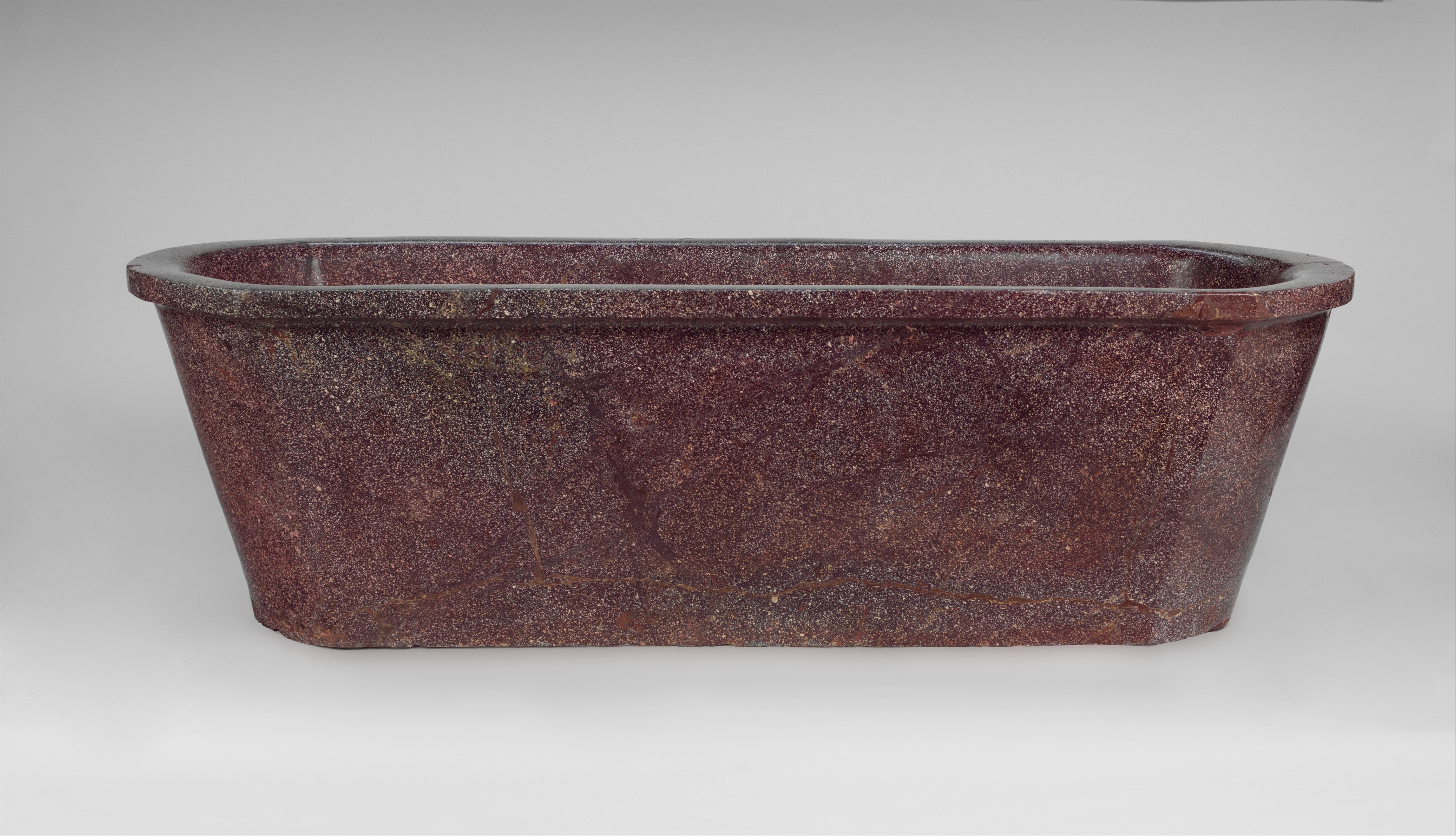
Unknown — "Porphyry basin" (2nd–3rd century CE), public domain
The Empress with Ink-Stained Fingers
At night, Julia Domna reads by lamplight while Rome sleeps, her hair heavy with imperial pins and her hands stained with ink. This is the woman whose husband named her 'Mother of the Camps' and 'Mother of the Senate.' She rules not just with decrees, but with ideas.
Power, Philosophy, and Survival
Julia’s palace is a crossroads: generals, doctors, and Greek philosophers argue in its halls. She survives public scandals, a murderous family, and the gossip of a city that never wanted a Syrian empress. Still, she makes the world listen—often with a single, sharply chosen word.
A Legacy Written, Then Erased
After palace intrigue and heartbreak, her name is nearly scraped from history. Yet stories from Alexandria to Rome whisper of her: the woman who made emperors, and dared to live for more than survival.
Julia Domna turned the imperial palace into a hive of philosophers and writers—even as civil war tore her family, and Rome, apart. She brokered treaties with generals, debated with scholars, and endured rumors that would have flattened another woman. When her husband was murdered, she held the empire together. When her son killed his brother, she kept writing.
