
Hipparchus: The End of Tyranny
On the morning of a festival, Hipparchus walks the crowded streets of Athens—unaware that two lovers are waiting with daggers.
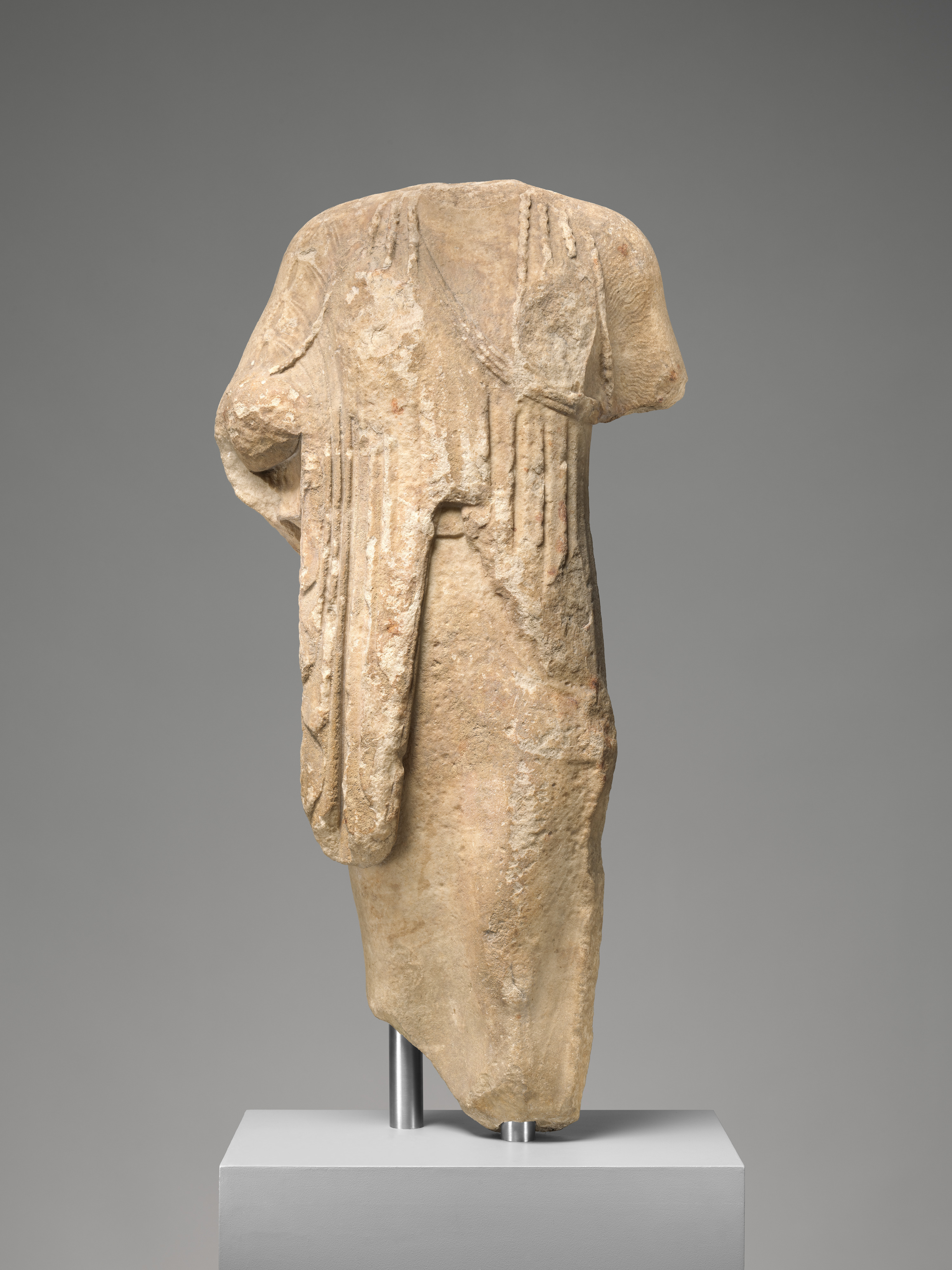
Unknown — "Marble statue of a kore (maiden)" (late 6th century BCE), public domain
A Tyrant Falls in the Festival Crowd
On the day of the Panathenaic festival, Hipparchus—the power behind Athens—joins the packed procession. He’s surrounded by guards, musicians, and the city’s leading citizens. But in the chaos, Harmodius and Aristogeiton step from the crowd, daggers hidden under their cloaks.
A Murder for Love, Not Liberty
It isn’t a grand plan for freedom. Ancient sources say the plot brews from jealousy and private insult: Hipparchus shames Harmodius’ family after being spurned. When the assassins strike, it’s not just a tyrant who dies. Panic erupts, his brother Hippias turns brutal, and within years, the tyranny crumbles.
The First Blow for Democracy?
Later generations call Harmodius and Aristogeiton the first martyrs of democracy. Statues of the lovers rise in the Athenian agora. But the truth is messier—the road out of tyranny is paved with personal revenge, fear, and accident as much as idealism.
The assassination of Hipparchus shatters the illusion of security around Athens’ tyrants. In that moment, a private vendetta—sparked by insult and heartbreak—cracks open an era of chaos and opportunity. The city reels, and within years, democracy claws its way from the rubble. In Athens, freedom is born in blood, not debate.
