
Hipparchus, The Stargazer with a Grudge
He built the first star catalog—then accused ancient myths of lying.
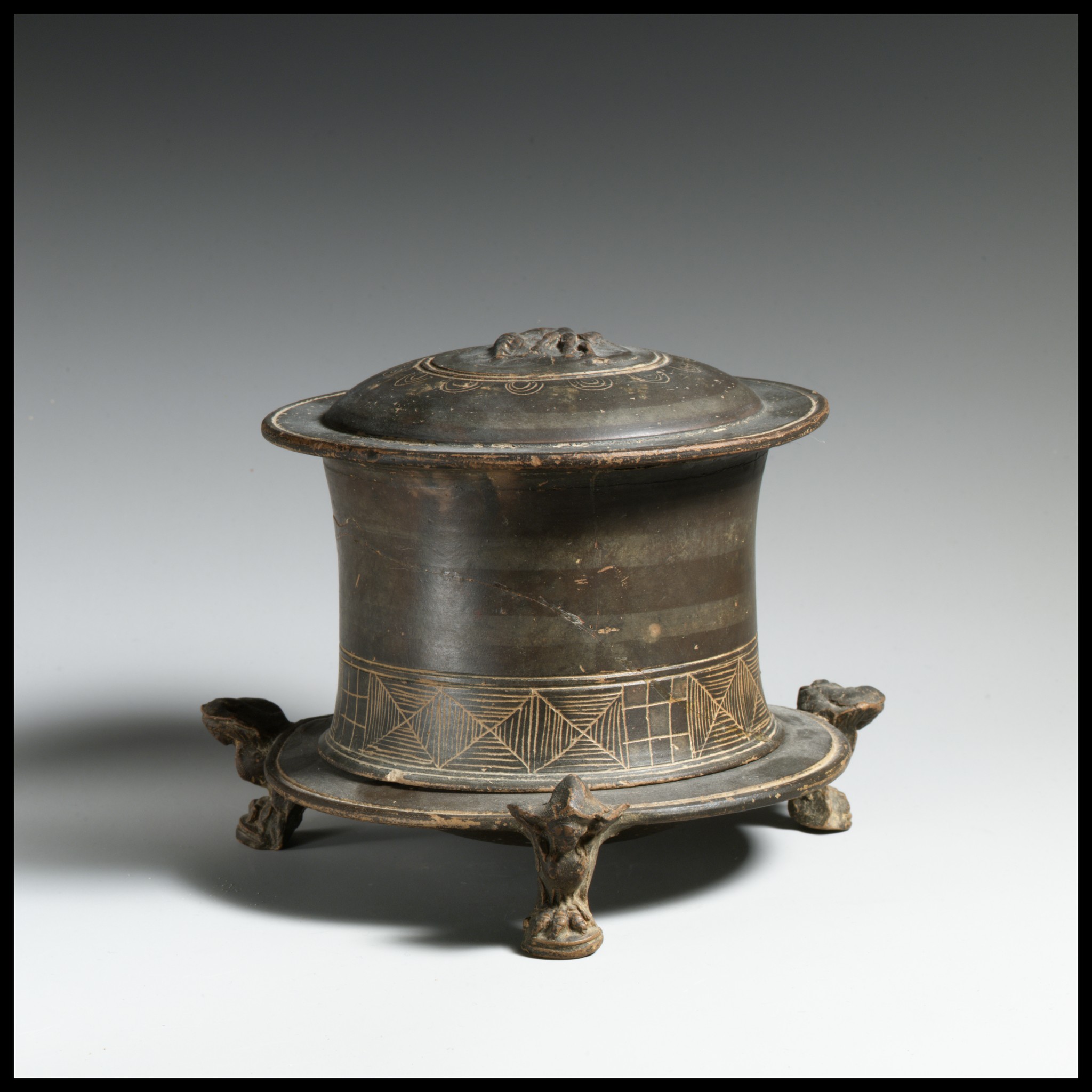
Unknown — "Terracotta pyxis (cosmetic box)" (3rd–2nd century BCE), public domain
Challenging the Gods' Map
Hipparchus stares at the sky, chart in hand, and spots something no Greek had dared admit—the stars are wandering. The constellations don’t match the stories. He says what others won’t: the poets are wrong.
Proof Over Poetry
Working from Rhodes, Hipparchus catalogs nearly a thousand stars—names, coordinates, brightness. He measures the precession of the equinoxes by comparing his math to ancient tales, and calls out Homer and Hesiod for errors.
The First Astronomer’s Challenge
He demands a new way to read the sky, not by myth but by measurement. Hipparchus’ data becomes the bones of every star map that comes after—proof that reality can outshine legend.
Hipparchus studied the night sky from Rhodes, recording nearly a thousand stars. When he discovered the constellations had drifted from their mythic positions, he declared Homer and Hesiod ‘out of date.’ For Hipparchus, numbers mattered more than legends—he wanted proof in the heavens, not poetry.
