
Laïs: The Most Desired Woman in Greece
She could auction a night for a fortune, then turn away kings and philosophers alike. Laïs didn’t just sell pleasure—she sold the fantasy of being chosen.
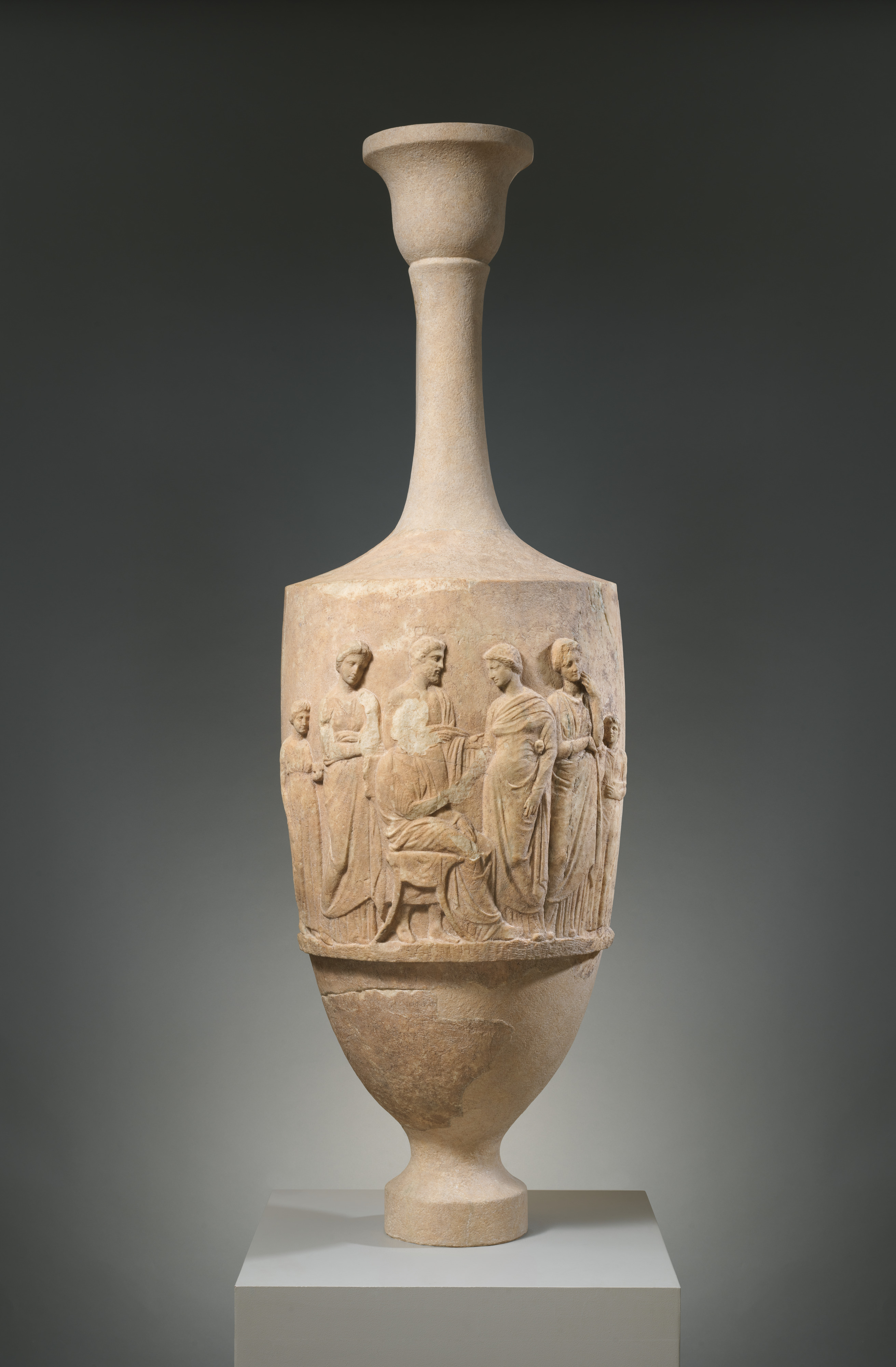
Unknown — "Marble funerary lekythos of Aristomache" (ca. 375–350 BCE), public domain
The Price of Being Chosen
Laïs could make a fortune with one glance. Her fame was so great that even philosophers lined up—Demosthenes among them—only to be turned away if she found them lacking.
Freedom in a World of Walls
Neither wife nor slave, Laïs chose her clients and her destiny. In a city where respectable women lived behind veils, she held court at banquets, wielded insults like daggers, and set the price of fame.
Who Was the Real Laïs?
Two cities claimed her, and stories tangled fact with legend. But in every telling, Laïs is the woman who flipped the rules—proof that desire is a kind of power, and the right to refuse is priceless.
When Laïs walked through Corinth’s market, the city paused. Men boasted of paying her fee—many returned home with nothing but regrets. She was a hetaera, a courtesan with wit and power, famed for refusing even the mighty Demosthenes. To Greeks, she embodied freedom and danger: a woman who owned her own fate in a world that feared women’s independence.
