
The Sibylline Books and Rome's Deal with Destiny
A ragged woman set a stack of books before Rome’s king—then fed them to the fire, one by one, as he haggled.
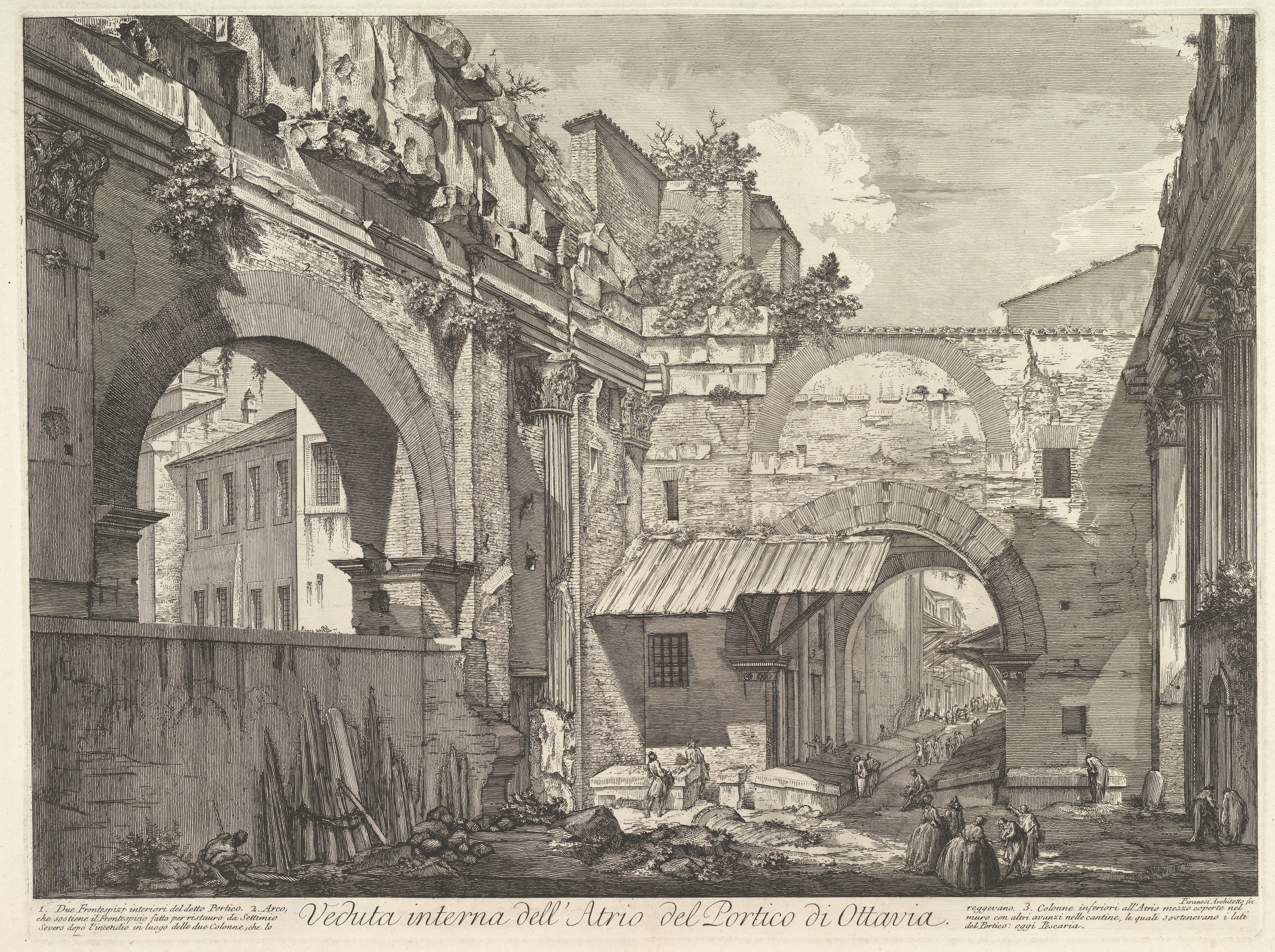
Giovanni Battista Piranesi — "Veduta interna dell'Atrio del Portico di Ottavia (Internal View of the Atrium of the Portico of Octavia), in: 'Vedute di Roma' (Views of Rome)" (1760), public domain
Nine scrolls, three burned bargains.
Herophile, the legendary Sibyl, arrived in Rome offering nine prophetic books for a staggering price. King Tarquin smirked, refused, and watched as she burned three to ashes. She offered the remaining six for the same price.
Out of fire, a last chance.
Tarquin dismissed her again, and three more books went into the flames. Only then did he panic and buy the final three—for the full original price. Those three Sibylline Books became Rome’s most guarded oracle, consulted in every crisis for centuries.
Sometimes wisdom comes after the flames.
Rome got a fraction of what it could have had—by haggling with prophecy. The Sibylline Books guided Rome through plagues, wars, and panic until they vanished in a later fire. Sometimes you only know what mattered once it’s gone.
Rome almost talked itself out of the wisdom that would guide it for centuries. Only as the final tomes turned to ash did the king see their value—and pay up.
