
Hephaestion: Death of Alexander's Other Half
Alexander the Great tore his robes and refused food for days when his closest companion, Hephaestion, died suddenly in Babylon.
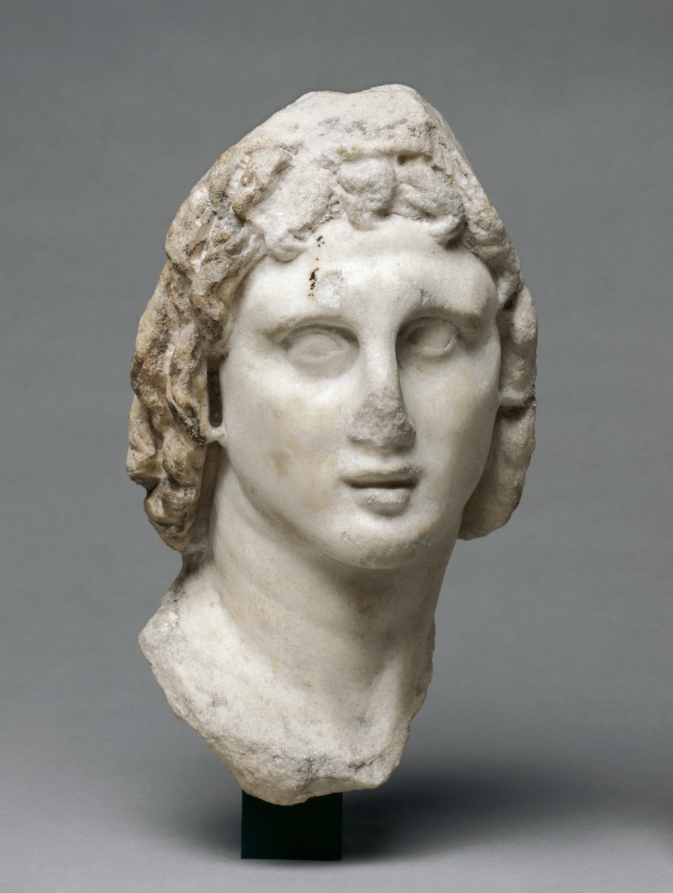
Unknown — "Head of Alexander the Great" (300–200 BCE), CC0
The day Alexander broke.
In 324 BC, Hephaestion—general, confidant, and perhaps the one person Alexander called a true equal—collapsed with a fever in Babylon. Within days, he was dead. Alexander tore the doctor's cloak, refused food and water, and sheared his own hair at the funeral pyre.
A king’s grief remakes a city.
Alexander ordered the city’s sacred flames doused—something done only for the death of a king. Babylon filled with the sound of mourning, drums, and ritual. Alexander commanded Hephaestion’s funeral to be as lavish as Achilles’ in the Iliad: gold, incense, and a pyre said to reach 200 feet high.
Legacy in ashes.
For months afterward, Alexander seemed to drift—the invincible momentum gone. Some suspected he crushed rebellions with new ferocity, hoping to smother his own grief. When Alexander died less than a year later, even his enemies wondered if Babylon’s fever had already claimed him.
The death of Hephaestion shook Alexander to his core. What followed was not just mourning, but a city-wide funeral on a scale reserved for kings — and a moment when one of history’s most unstoppable men suddenly faltered.
