
Disability in Ancient Greek Vase Art
Hidden in the curves of a red-figure vase, an archer sits twisted—his legs deformed, face turned away.
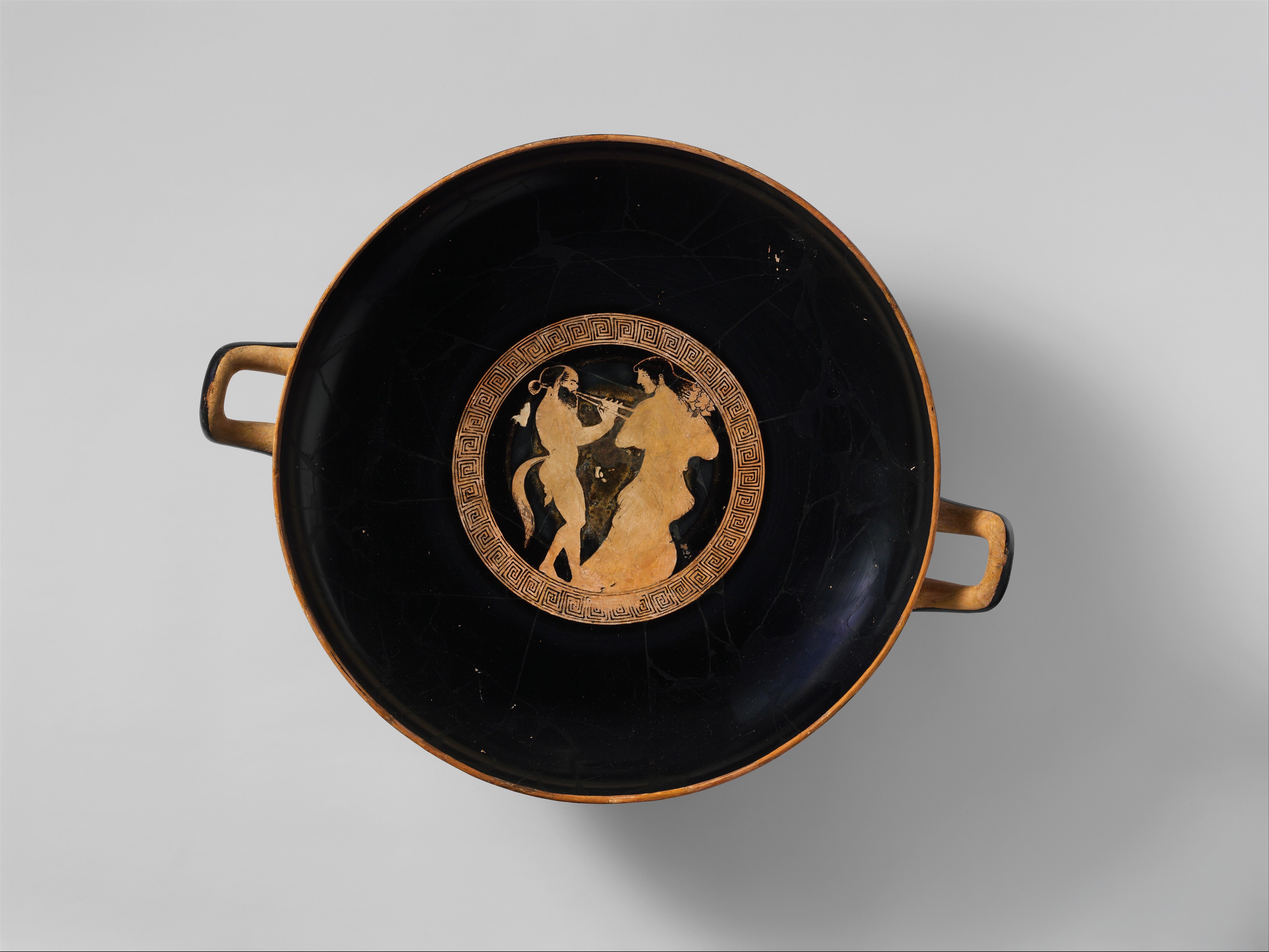
Hieron — "Terracotta kylix (drinking cup)" (ca. 480 BCE), public domain
Disabled Bodies in the Spotlight
Some Greek vase painters didn’t just show warriors and gods—they painted real, disabled bodies. On fifth-century Athenian vases, you’ll spot archers with club feet, dwarfs with thick necks and short arms, and hunched backs hobbling at feasts.
Not Just Caricature
Archaeologists and art historians argue these aren’t just visual jokes. Some images repeat across dozens of vases, suggesting these bodies were part of daily life—seen, recognized, recorded in clay. Greek art reveals what written sources often ignore.
Some of the most famous scenes on Athenian pottery depict people with visible physical disabilities—clubbed feet, dwarfism, hunchbacks.
