
Greek Tragedies and Their Endings
You picture every Greek tragedy ending with bodies on stage, blood spilled, and total despair. But not every tragic play left its audience in ruins.
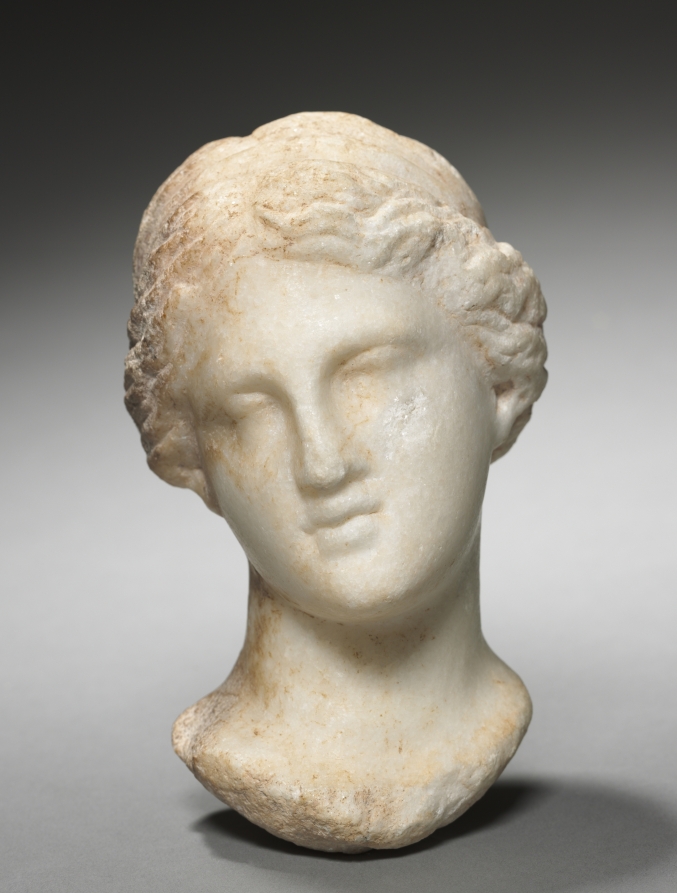
Unknown — "Head of a Woman" (300–200 BCE), CC0
The myth of endless Greek gloom.
Every movie and school lesson delivers the same message: a Greek tragedy means everyone dies, the gods are cruel, and misery rules. Curtain falls, no hope left. You brace for disaster every time the chorus sings.
But not every play left you sobbing.
Several classic tragedies resolve with peace or healing. In Aeschylus’s 'Eumenides,' the Furies make peace with Athena and Athens. Sophocles’s 'Philoctetes' ends with a wounded outcast restored and welcomed home. Ancient playwrights didn’t see tragedy as hopelessness—they saw it as confrontation, transformation, sometimes catharsis.
Why do we think tragedy means doom?
The word 'tragedy' comes from 'goat song,' not from misery. Modern audiences and critics focused on the bloodiest stories and ignored the moments of grace. It’s a myth born from misreading—and a Hollywood love of a body count.
Many surviving tragedies—like Aeschylus’s 'Eumenides' or Sophocles’s 'Philoctetes'—end with hope, reconciliation, or even a touch of joy. For ancient Greeks, tragedy was about grappling with fate, not just wallowing in misery.
