
Greek Toothpaste: Pumice, Ash, and Honey
The first toothpaste recipe from ancient Greece included crushed pumice stone—and honey.
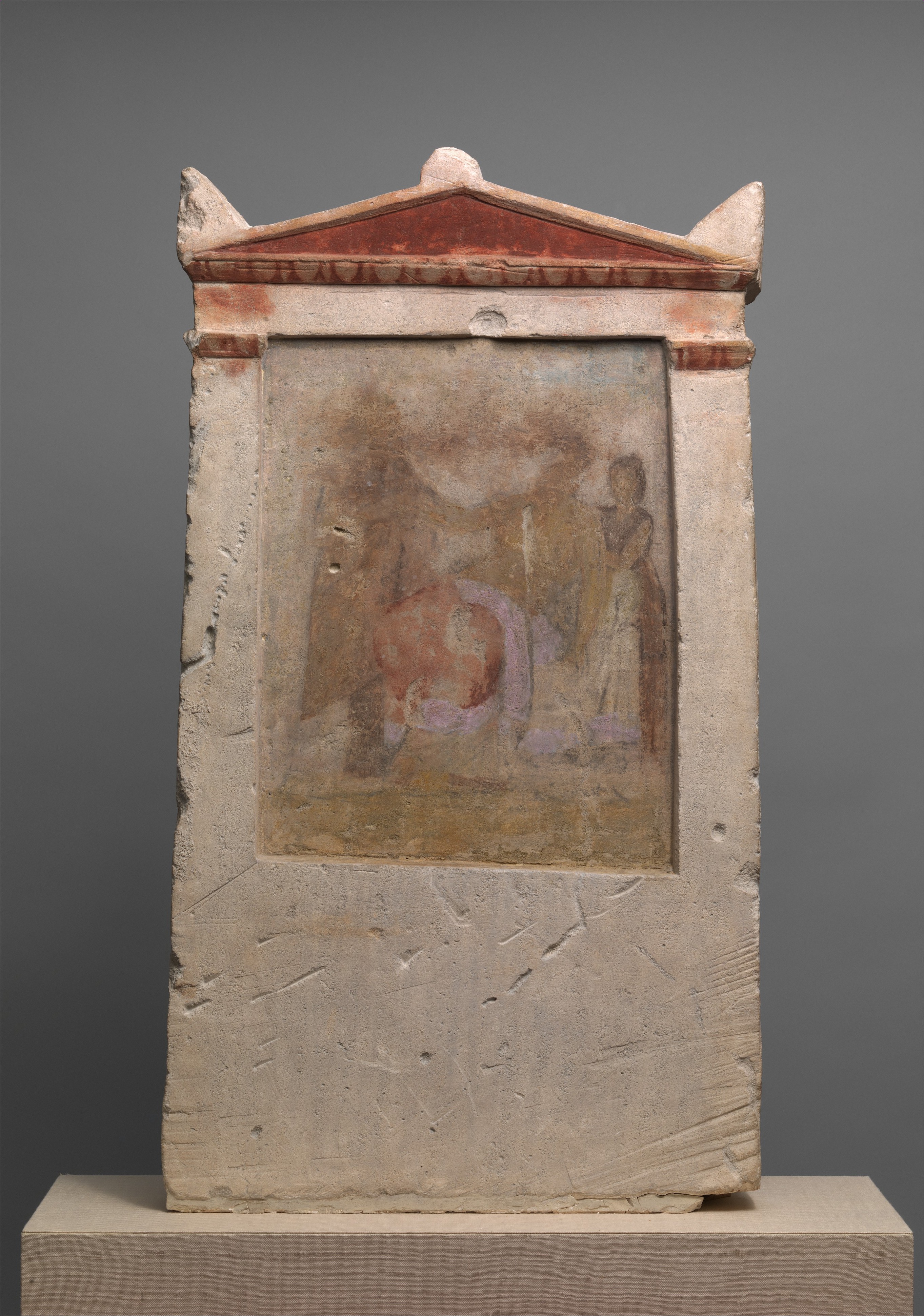
Unknown — "Painted limestone funerary stele with a woman in childbirth" (late 4th–early 3rd century BCE), public domain
Brushing with Rocks and Ash
Theophrastus, writing in the 4th century BCE, describes toothpaste recipes using crushed pumice, burnt animal bones, or ashes mixed with honey or water. The gritty paste scraped away debris—and enamel. Dental remains show significant wear, evidence of daily use.
Dental Care with a Price
Greeks sought clean, white teeth, but their toothpaste was harsh. Too much abrasion led to tooth damage. Still, ancient people were surprisingly serious about oral hygiene—a detail easily missed among marble statues and epic poetry.
Greeks cared about clean teeth, using abrasive pastes made from powdered pumice, ashes, and sometimes honey as a binder. These recipes are described by Theophrastus and others, and confirmed by residue analysis. Dental hygiene mattered, but tooth enamel paid the price.
