
Did Greeks Wear Togas?
Picture a Greek philosopher: draped in a toga, sandals on marble, arguing under olive trees. Wrong country, wrong garment.
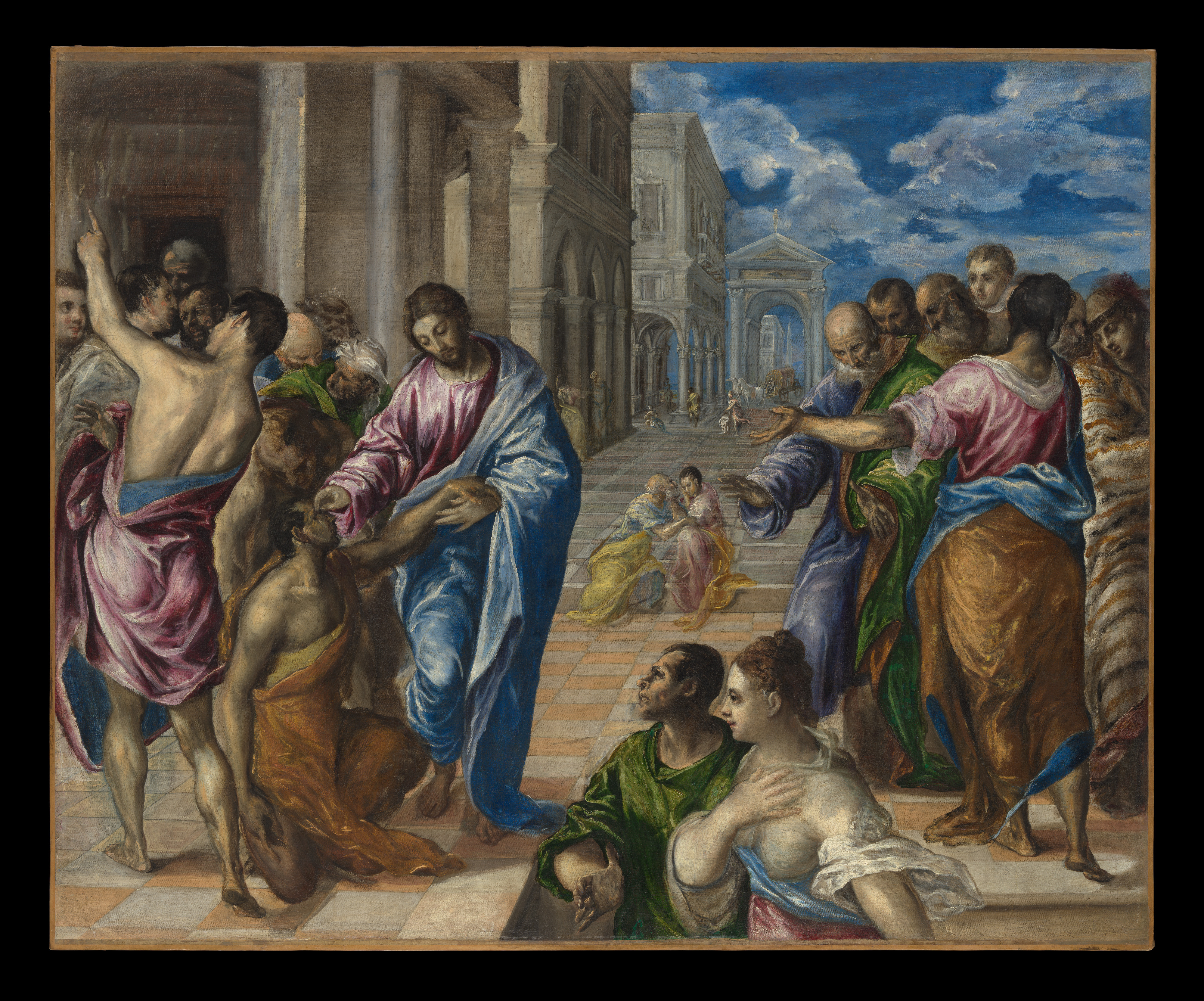
El Greco (Domenikos Theotokopoulos) — "Christ Healing the Blind" (ca. 1570), public domain
Greeks in Togas: The Wrong Look
Every movie sets Socrates or Plato striding in a crisp white toga. The toga, though, was Rome’s signature garment—a heavy wool wrap reserved for male citizens, especially when appearing in public. Greeks would have found it odd—maybe even a bit ridiculous.
Greek Style: Chitons and Himation
Ancient Greeks wore the chiton—a stitched tunic—and the himation, a rectangular cloak draped over the shoulder. These lighter, more flexible garments allowed for real movement, whether debating or wrestling. Statues of philosophers? Almost always, you’ll spot the himation angled just so.
Who Started the Confusion?
The mix-up comes from Renaissance artists who dressed every ancient thinker in a Roman toga, the ultimate symbol of 'the classical past.' Textbooks and films followed suit, mixing centuries and cultures into one draped fantasy.
The toga was Roman, not Greek. Greeks wore the cloak-like himation or the chiton—a flowing tunic. Hollywood and textbooks blurred the line, but the difference is woven into the cloth.
