
Did Greek Philosophers Reject Magic?
Greek philosophers: logical, rational, allergic to magic—right? Not so fast.
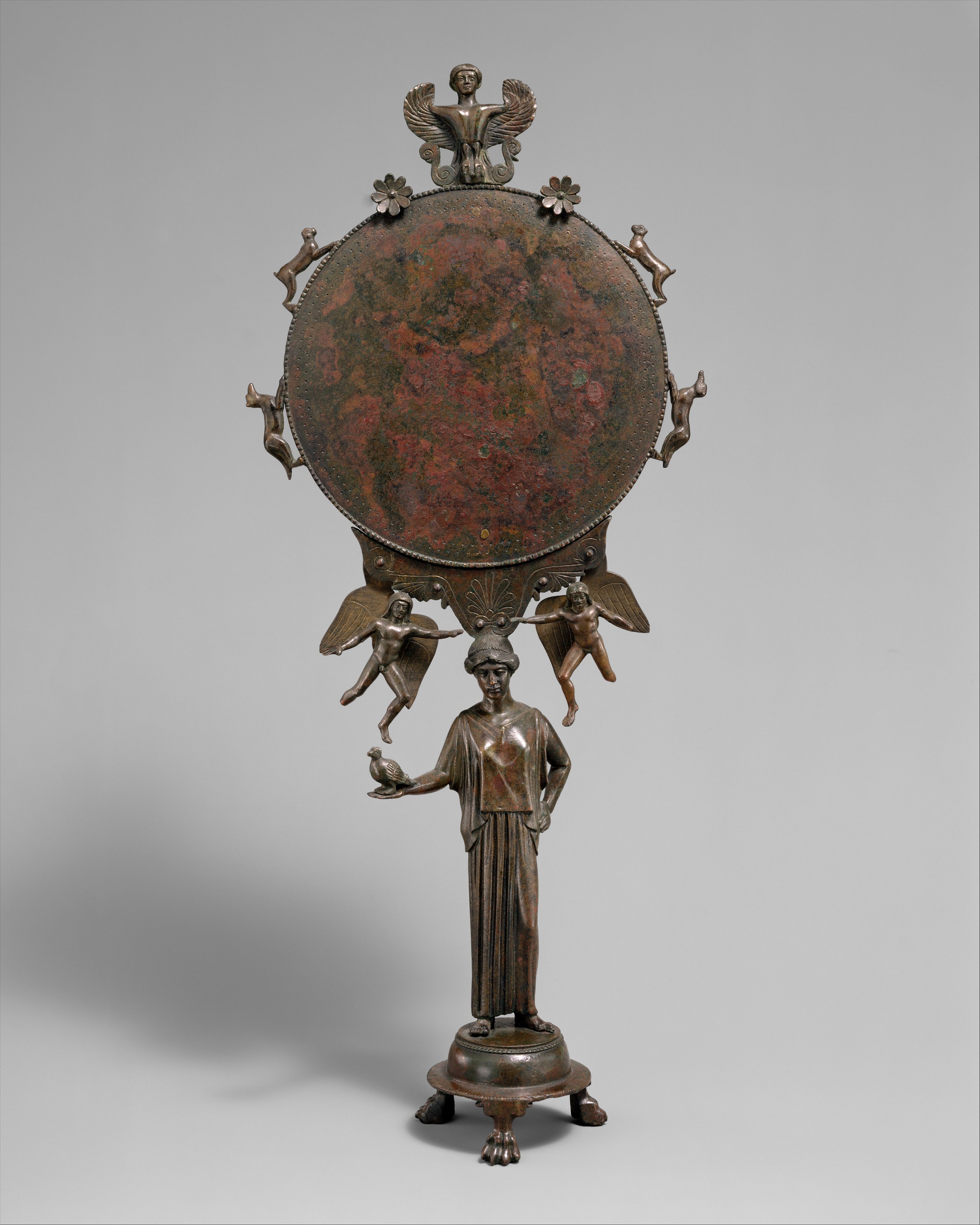
Unknown — "Bronze mirror with a support in the form of a draped woman" (mid-5th century BCE), public domain
Philosophers hated magic?
We learn it in school: Greek philosophers chased reason and scorned superstition. Magic was for the ignorant, not the intellectuals. Socrates, Plato, Aristotle—pure logic, right?
They blurred the lines.
Surviving texts show otherwise. Plato wrote about divine madness and sacred visions. Pythagoras mixed number theory with reincarnation and rituals. Aristotle analyzed the 'science' of dreams and portents. Philosophy and magic walked hand in hand—sometimes literally.
Where did the myth start?
Later Enlightenment thinkers wanted a clean break from superstition. They cherry-picked the rational bits, ignoring the wild, mystical parts. The real Greeks? They never drew that hard line.
Plato, Pythagoras, and even Aristotle wrote about magic, oracles, and mystical forces. Sometimes, the line between science and magic was blurrier than we want to admit.
