
The Olympic Truce Myth
You picture all of Greece laying down arms for the Olympic Games—enemies shaking hands, swords dropped for sport. But the Olympic Truce wasn’t peace for everyone, everywhere.
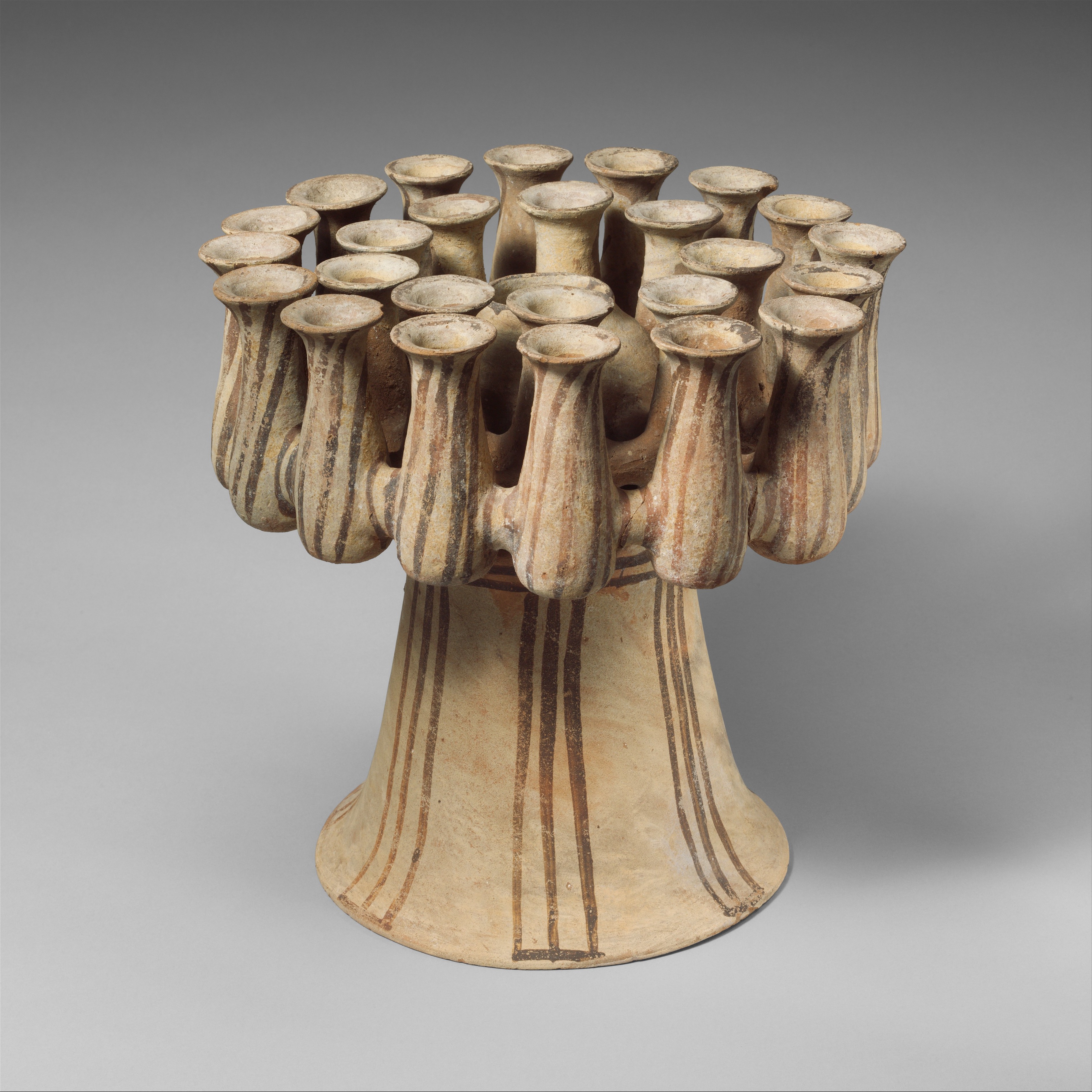
Unknown — "Terracotta kernos (vase for multiple offerings)" (ca. 2300–1900 BCE), public domain
The myth of a pan-Greek peace.
You’ve seen it in documentaries and textbooks: every four years, all Greek wars stopped dead so the Olympics could begin. Even bitter enemies supposedly gathered in perfect truce. A martial pause in honor of Zeus. That’s the legend.
A narrow truce, not a universal ceasefire.
The 'ekecheiria' truce only guaranteed safe passage for athletes and spectators traveling to Olympia—not a full halt to all hostilities. In 420 BCE, Sparta was even banned for violating the truce, and city-states sometimes ignored it when convenient. The fighting never really stopped everywhere.
Why does the myth linger?
Victorian writers and early Olympic revivalists loved the idea of ancient world peace. It made a great origin story. The truth—spotty truces and broken promises—felt less inspiring, so the myth stuck in classrooms and films.
The Olympic Truce only protected athletes, officials, and pilgrims traveling to Olympia—not rival cities still fighting miles away. Some wars raged on during the games, and even Olympia’s sanctuary saw its rules broken.
