
Were Greek Myths Treated Like Religion?
You might picture ancient Greeks reciting Homer’s myths as sacred scripture—beliefs carved in stone and never questioned.
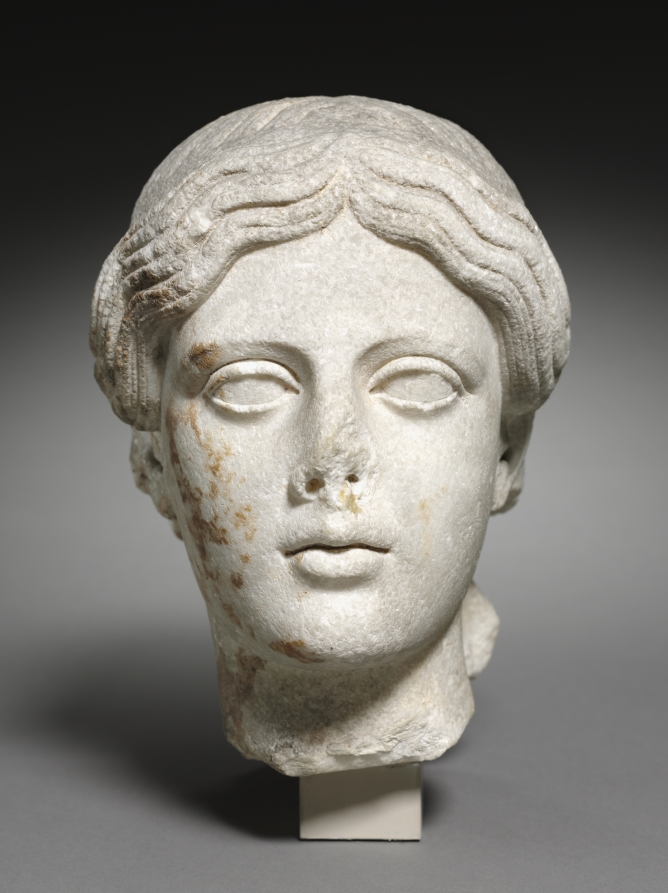
Unknown — "Idealized Head" (50 BCE–100 CE), CC0
Greek myths as unbreakable truth?
It’s easy to think Greeks saw their myths as fixed, sacred tales—like reading the Bible or Quran. The stories of gods and heroes, unchanging, unquestioned, and holy. That’s how they’re taught today.
Greeks loved to argue with their gods.
In Athens, crowds watched playwrights twist and poke fun at the old myths. Herodotus reports locals scoffing at Homer’s stories. Philosophers like Xenophanes openly doubted divine scandals. Myths were fluid: a family might tell their own wild version at dinner.
Why the myth?
When myths were revived in the 19th century, scholars and artists wanted grand, unified systems like Christianity. They projected their own holy-book logic backward—missing the messy, living reality of Greek storytelling.
For most Greeks, myths weren’t rigid dogma. They were living stories: retold, mocked, and even contradicted in public plays and conversation.
