
Mourning in Ancient Greece: Cut Hair for the Dead
When someone died in ancient Athens, mourners chopped off their hair—and sometimes smeared their faces with mud.
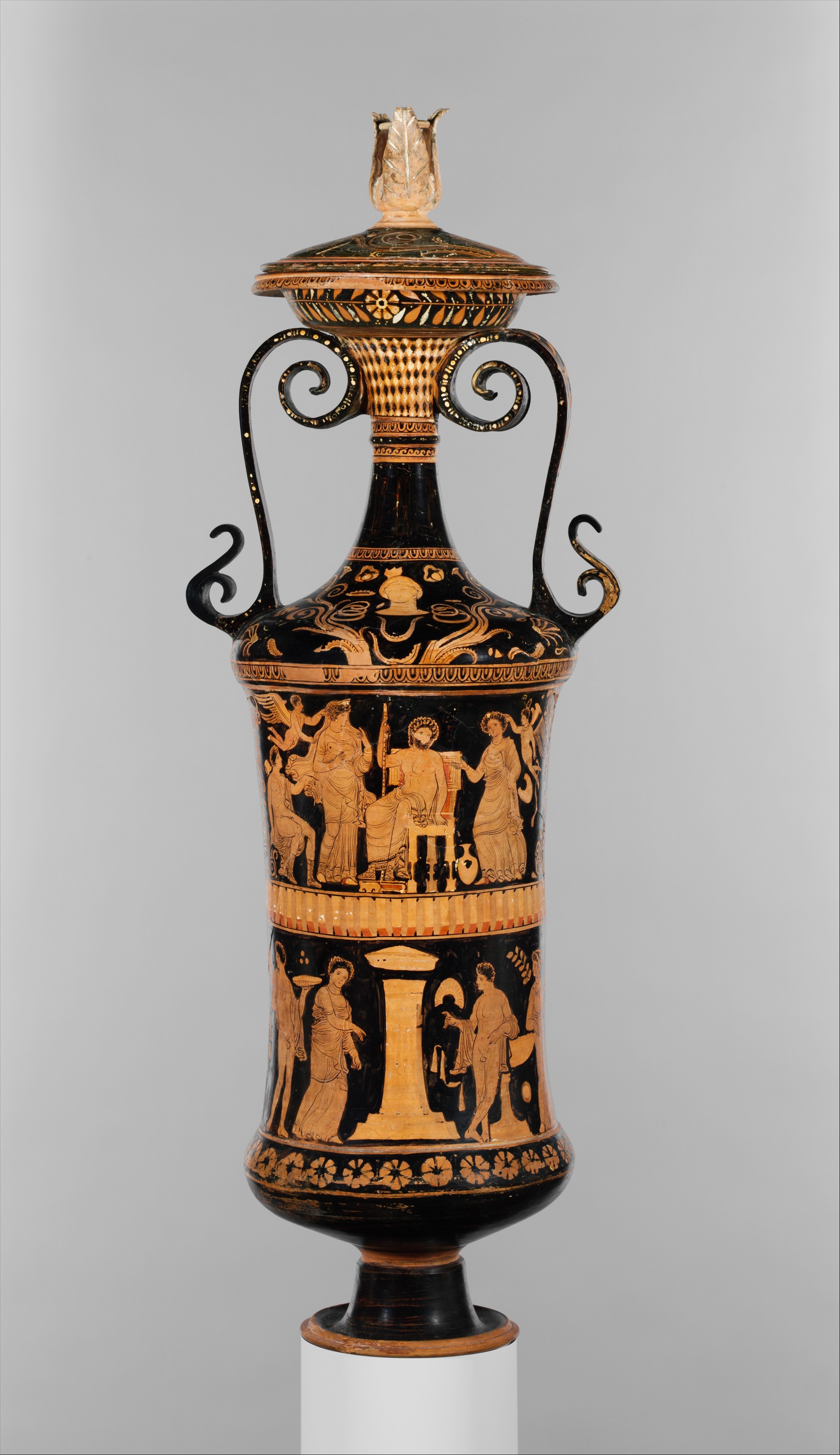
Darius Painter — "Terracotta loutrophoros (ceremonial vase for water)" (ca. 340–330 BCE), public domain
Grieving? Cut Your Hair Off
Greek funerals came with a haircut. Mourners—especially women—cut off locks of their hair at the grave, a public sign of loss. Some smeared mud on their cheeks, turning their bodies into living memorials.
Hair on the Tomb, Grief on Display
Vase scenes and ancient writers paint the picture: women holding scissors, weeping, offering hair at the tomb. This ritual was so common that even mythic heroes mourned with hair-cutting. In Athens, mourning was meant to be seen, not hidden.
Hair-cutting was a key part of Greek mourning rituals, a mark of grief that left you visibly changed. Vase paintings and ancient texts describe women standing at tombs, locks of hair in hand, mourning with ritual gestures. Grief in Athens wasn’t silent—you wore it on your head and face.
