
Greek Mirrors: Bronze, Not Glass
A Greek woman peers into her mirror—and sees herself, but not really. Her reflection stares back from burnished bronze, dim and yellow, never crystal clear.
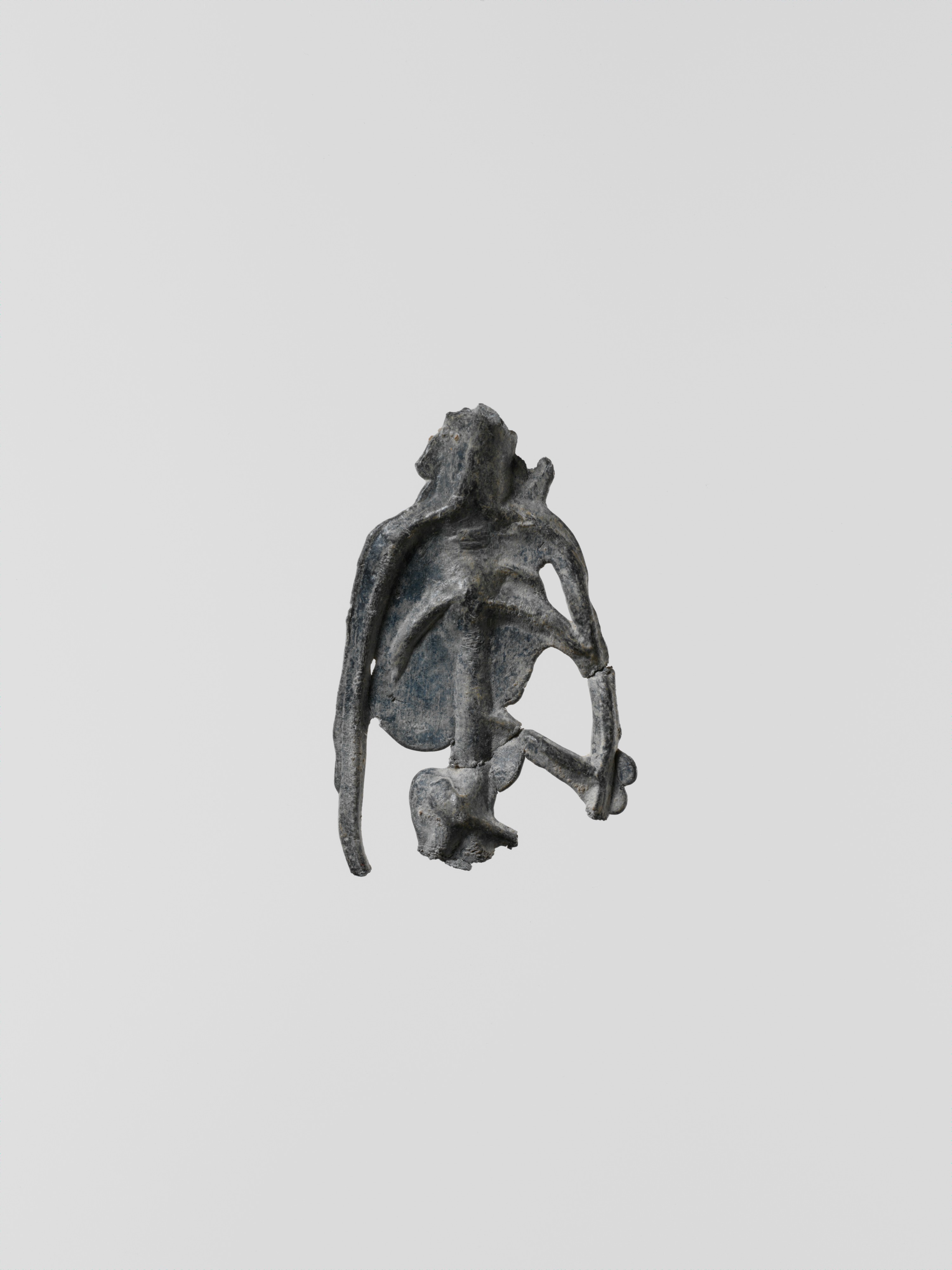
Unknown — "Lead figure, possibly of a skeleton" (possibly 4th century BCE), public domain
A Mirror, But Never Crystal Clear
A Greek woman peers into her mirror—and sees herself, but not really. Her reflection stares back from burnished bronze, dim and yellow, never sharp.
No Glass, Just Polished Bronze
Greek mirrors were disks of polished bronze, not glass. Archaeologists recover them by the dozens—handles snapped, faces dulled. The image they gave: cloudy, warm-toned, and nothing close to modern clarity.
Glass Arrives Centuries Later
Glass mirrors appear only in late Roman times, and only the wealthiest could afford them. For most of antiquity, seeing yourself meant looking into metal—and learning to fill in the details.
Ancient Greek mirrors were polished bronze disks, not glass. Archaeologists find them in graves, handles snapped, surfaces scratched by centuries underground. The reflections they gave were cloudy and warm-toned—never the bright clarity of modern glass. It wasn’t until Roman times that glass mirrors began to appear, and even then, only the richest could afford them.
