
Did Greek Soldiers Wear Uniforms?
You picture Greek hoplites: a line of warriors in matching armor, red capes, polished breastplates—an ancient army in perfect uniform. But standardized uniforms were a modern fantasy.
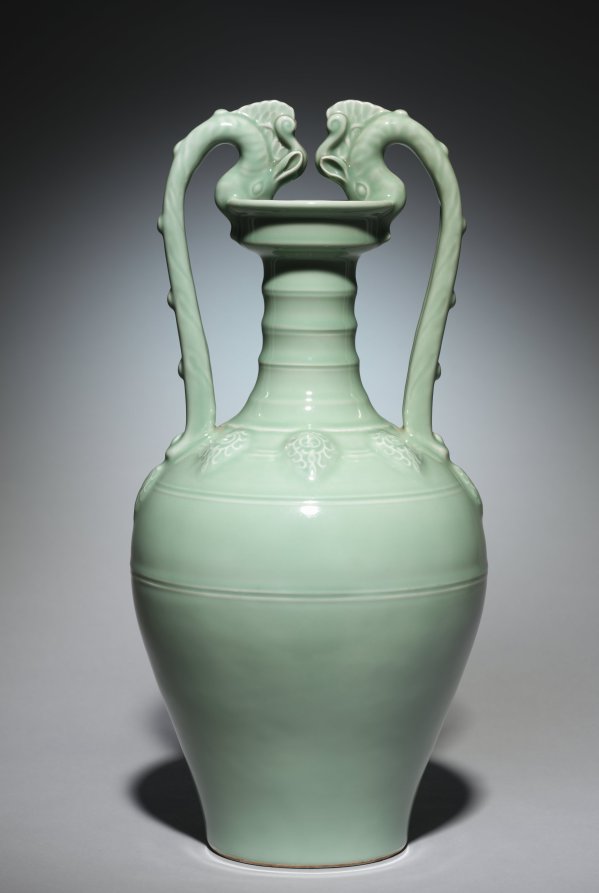
Unknown — "Amphora Vase" (1723–35), CC0
The movie myth of the matching army.
From Hollywood epics to textbooks, Greek hoplites march in lockstep—same helmets, same cloaks, the world's first uniformed infantry. You imagine a Spartan red phalanx or Athenian blue, clean lines on a bloody field.
Real Greek armies were a fashion mess.
Most hoplites brought their own armor—family hand-me-downs, battered bronze, whatever they could afford. Some had breastplates, some just a thick linen tunic. Helmets varied wildly, with horsehair crests, nose guards, or none at all. Shields matched only in general shape, not in decoration. The ‘uniform’ was chaos up close.
Why do we picture ancient uniforms?
Nineteenth-century painters and modern directors love the drama of a matching army. The myth stuck because order is easier to stage than the living riot of the battlefield. In reality, hoplite ranks were more thrift shop than parade ground.
Ancient Greek armies were a riot of clashing colors, shapes, and homemade gear. Battlefield fashion was pure DIY—no two hoplites looked the same except for their shield shape.
