
The Collapse of the Pons Sublicius
A Roman bridge cracked as the enemy charged—the city’s fate hung by wooden pegs and a moment's courage.
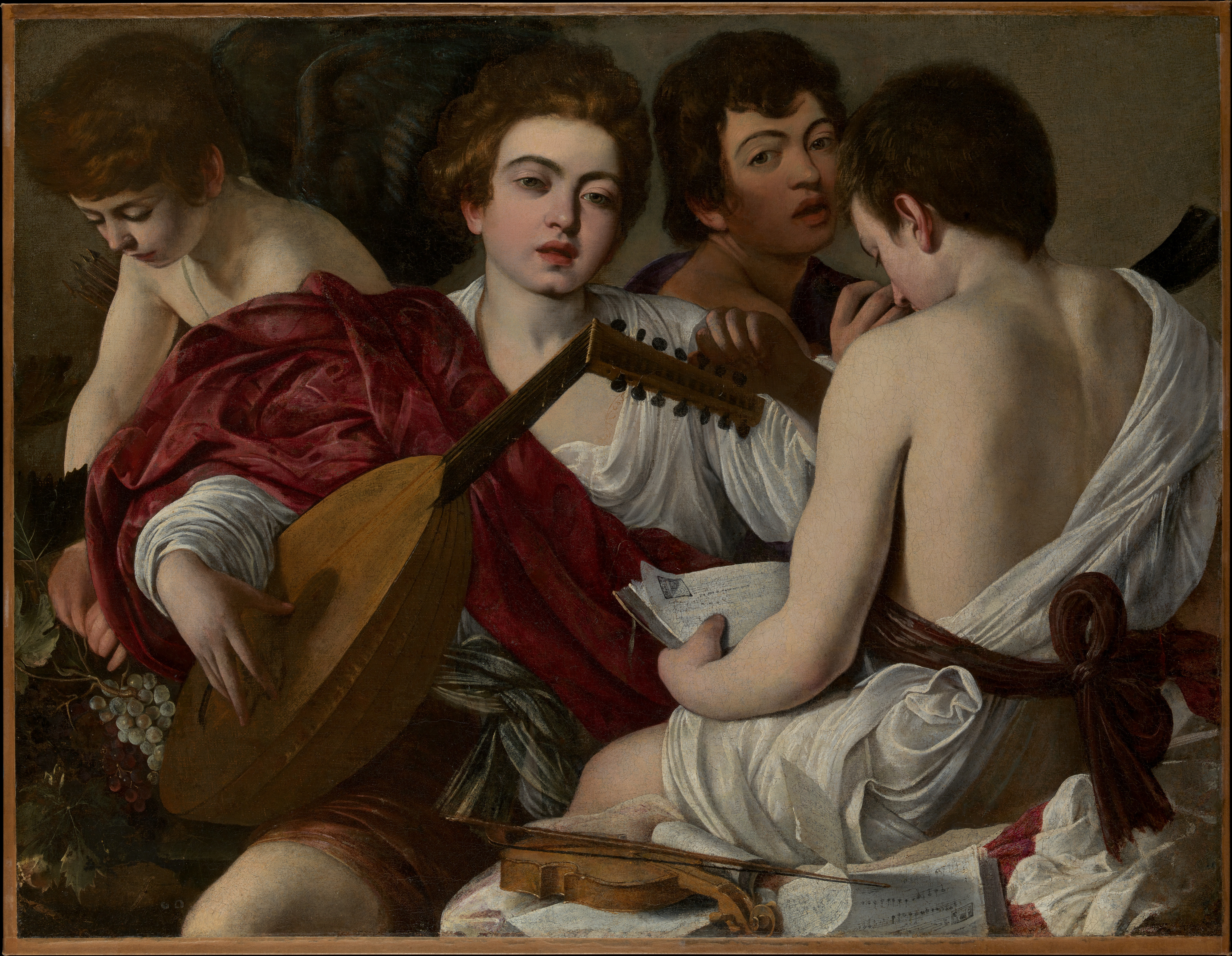
Caravaggio (Michelangelo Merisi) — "The Musicians" (1597), public domain
A City on the Edge.
It’s 508 BC. The Etruscan king Lars Porsenna storms toward Rome—his men already swarming the riverbank. The only thing between the city and disaster is the wooden Pons Sublicius bridge. As the timbers shudder, panic sprints through the Roman ranks.
One Stand, Three Men.
As most Romans flee, Horatius Cocles and two companions plant themselves at the bridge’s mouth. Arrows rain down. Spears crack the night. The rest of the defenders hack at the bridge behind them. Horatius orders his friends back, then faces the assault alone—buying just enough time.
Swimming for Survival.
As the bridge crashes into the river, Horatius dives in, armor and all. He surfaces, battered and gasping, while the Etruscans scream in frustration. Rome lives to fight another day—not because of walls or weapons, but because three men said no.
When the Pons Sublicius began to splinter, Horatius and two comrades stood their ground so the Romans could destroy the bridge—a few men holding back an army long enough to save the city.
