
Diogenes and the Lantern
In broad daylight, Diogenes prowled the busy Athenian marketplace—holding a lit lantern and searching for 'an honest man.'
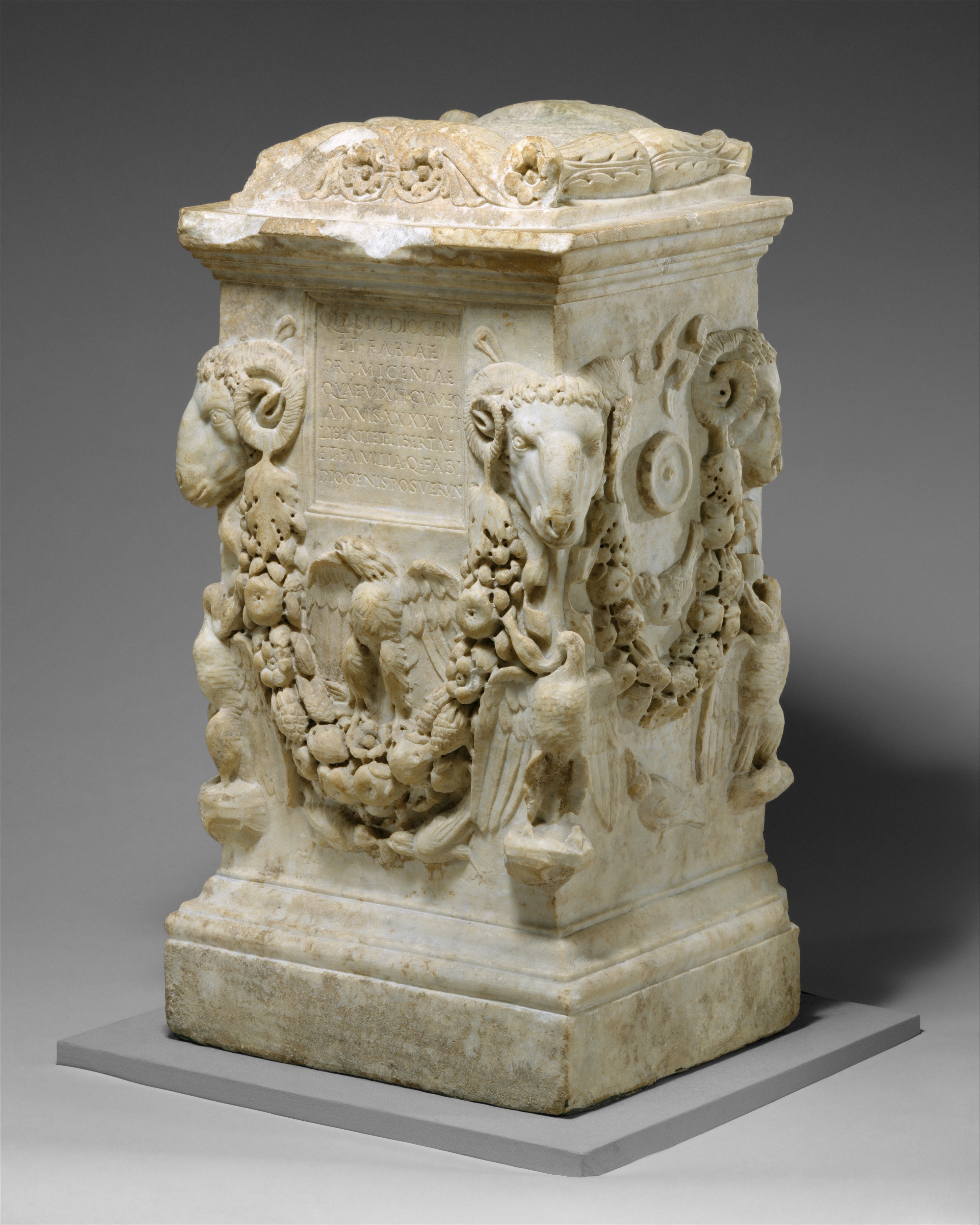
Unknown — "Marble funerary altar" (ca. 14–68 CE), public domain
A lantern at noon.
The philosopher Diogenes was notorious in Athens for shocking stunts. One morning, he stalked through the bustling agora with a lit lantern—even though the sun was blazing. Every head turned, and laughter rippled through the crowd.
Searching for an honest man.
Asked what he was doing, Diogenes replied he was looking for an honest person—implying he’d yet to find one in all of Athens. His point landed harder for being so public. This wasn’t an empty joke: for Diogenes, virtue was rare, hypocrisy common, and Athens itself was on trial.
Laughing at the city, needling its ego.
The image stuck: a philosopher, lamp aloft, searching for truth in a city that prided itself on democracy and debate. Over two millennia later, Diogenes’ daylight lamp still glows—reminding us that even the brightest societies have their shadows.
With one act, Diogenes exposed the city’s anxieties and needled its ego: even in the heart of democracy, he couldn’t find a single honest soul.
