
Demetrius Saves Athens from the Tyrant
Athenians woke to find enemy ships in their harbor—then realized the 'invader' was their last hope.
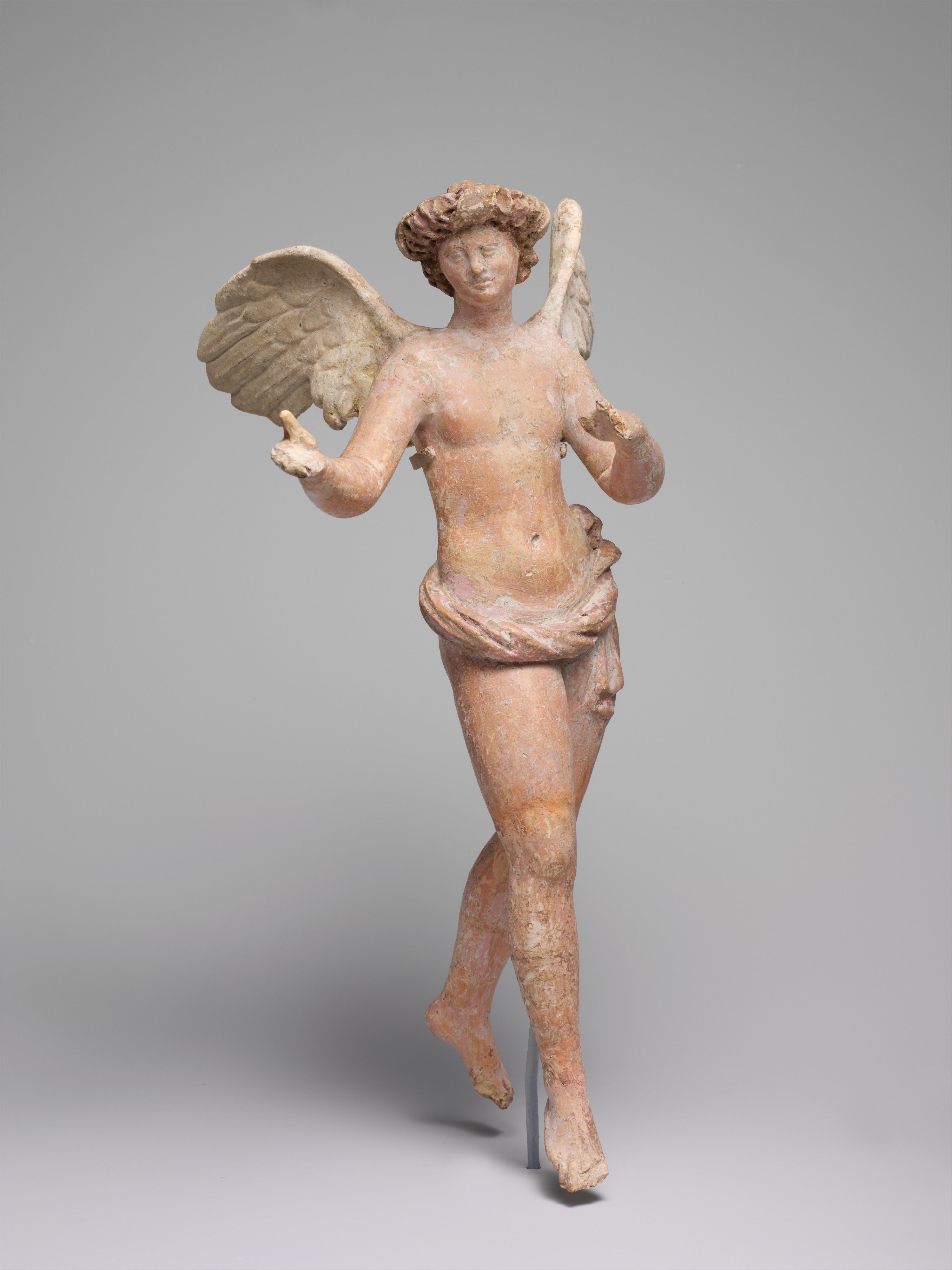
Unknown — "Terracotta statuette of Eros flying" (ca. 200–150 BCE), public domain
The fleet arrives at dawn.
In 307 BC, battered Athenians spotted dozens of warships sliding into their harbor. They braced for another siege—until word spread: these were not Macedonian oppressors, but Demetrius Poliorcetes, a king’s son offering freedom from their hated puppet tyrant.
Liberator or new master?
Crowds poured into the streets, tore down statues of the tyrant, and welcomed Demetrius with incense and garlands. He abolished the puppet government—then installed his own friends in power. Athens called it liberation, but the city’s fate was simply transferred from one strongman to the next.
A city with short memories.
Demetrius left behind a grateful, cheering city. But just a few years later, Athens would find itself at the mercy of a different conqueror—freedom was always one fleet away.
Demetrius Poliorcetes sailed into Athens as a conqueror, but left as a liberator—the city traded one ruler for another, and called it a revolution.
