
Clodia: The Sparrow of Scandal
Poets wrote her love poems, rivals called her 'the Medea of the Palatine.'
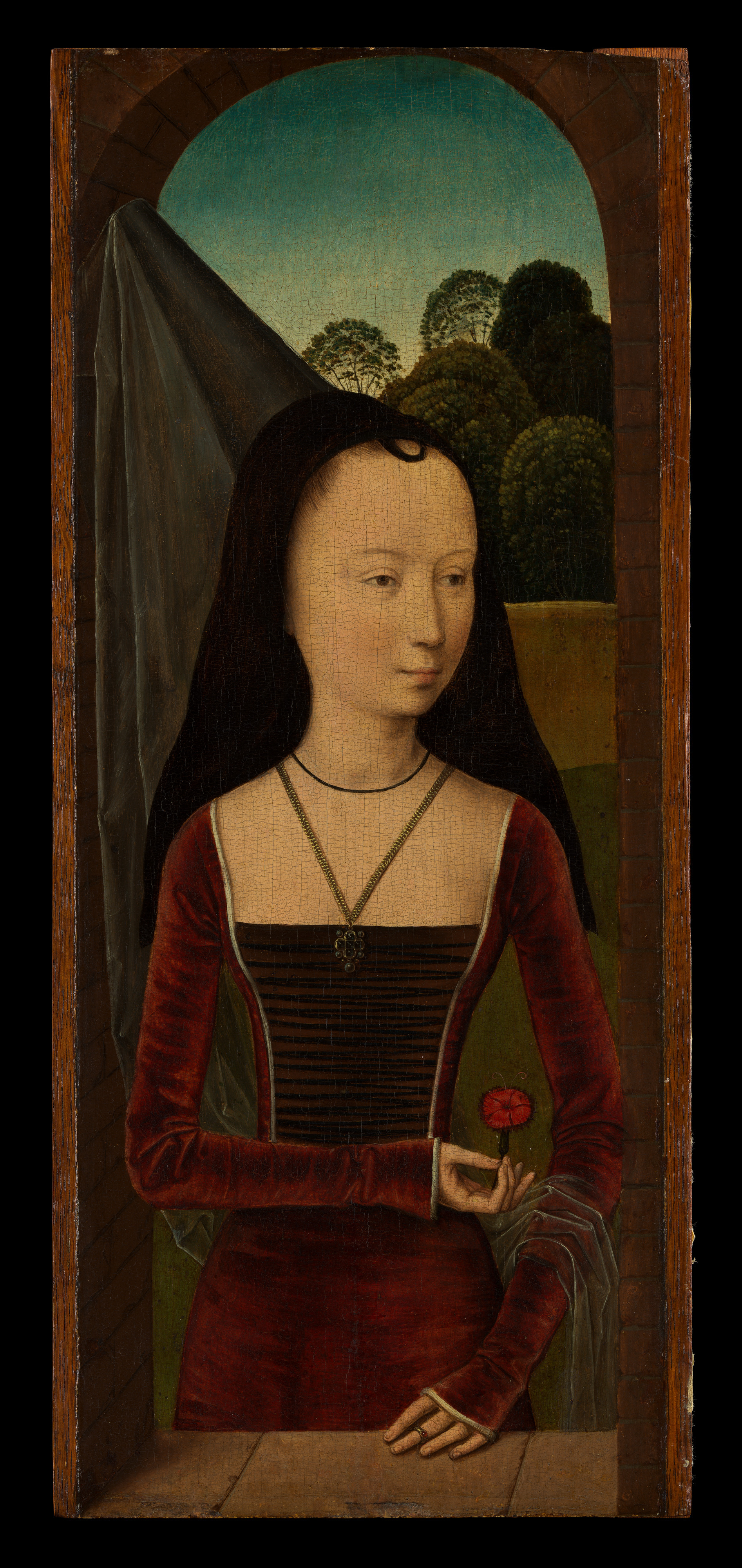
Hans Memling — "Young Woman with a Pink" (ca. 1485–90), public domain
The Woman at the Center of Every Whisper
Clodia appears everywhere—her name half-spoken in Senate halls, her face in Catullus’s burning verses, her private dinners the stuff of street gossip. Some called her a destroyer of men. Others, a muse. Her reputation was a weapon, forged in rumor and sharpened by wit.
Sex, Poetry, and Power in Republican Rome
While men debated and made laws, Clodia played the subtler game—one of invitations, alliances, and scandal. The poet Catullus called her 'Lesbia' in his verses, and their turbulent affair still echoes. Cicero, defending a man she accused of poisoning, painted her as a Roman Medea—deadly and irresistible.
Fact or Invention?
Much of Clodia’s story survives only in fragments, colored by enemies and lovers. Was she a danger or a scapegoat? Rome’s view of powerful women was always a double-edged rumor—one Clodia handled with masterful poise.
Clodia lived in a world that pretended women had no power, then trembled at her every move. Whether as Catullus’s 'Lesbia,' a political schemer, or rumored poisoner, she manipulated reputation—her own and everyone else's—making art and rumor her weapons.
