
Cleopatra: Needle in the Court
Cleopatra’s entrance didn’t just turn heads—it froze entire rooms. At Tarsus, she sailed up the river in a gilded barge, dressed as Aphrodite, her perfume filling the air before anyone saw her face.
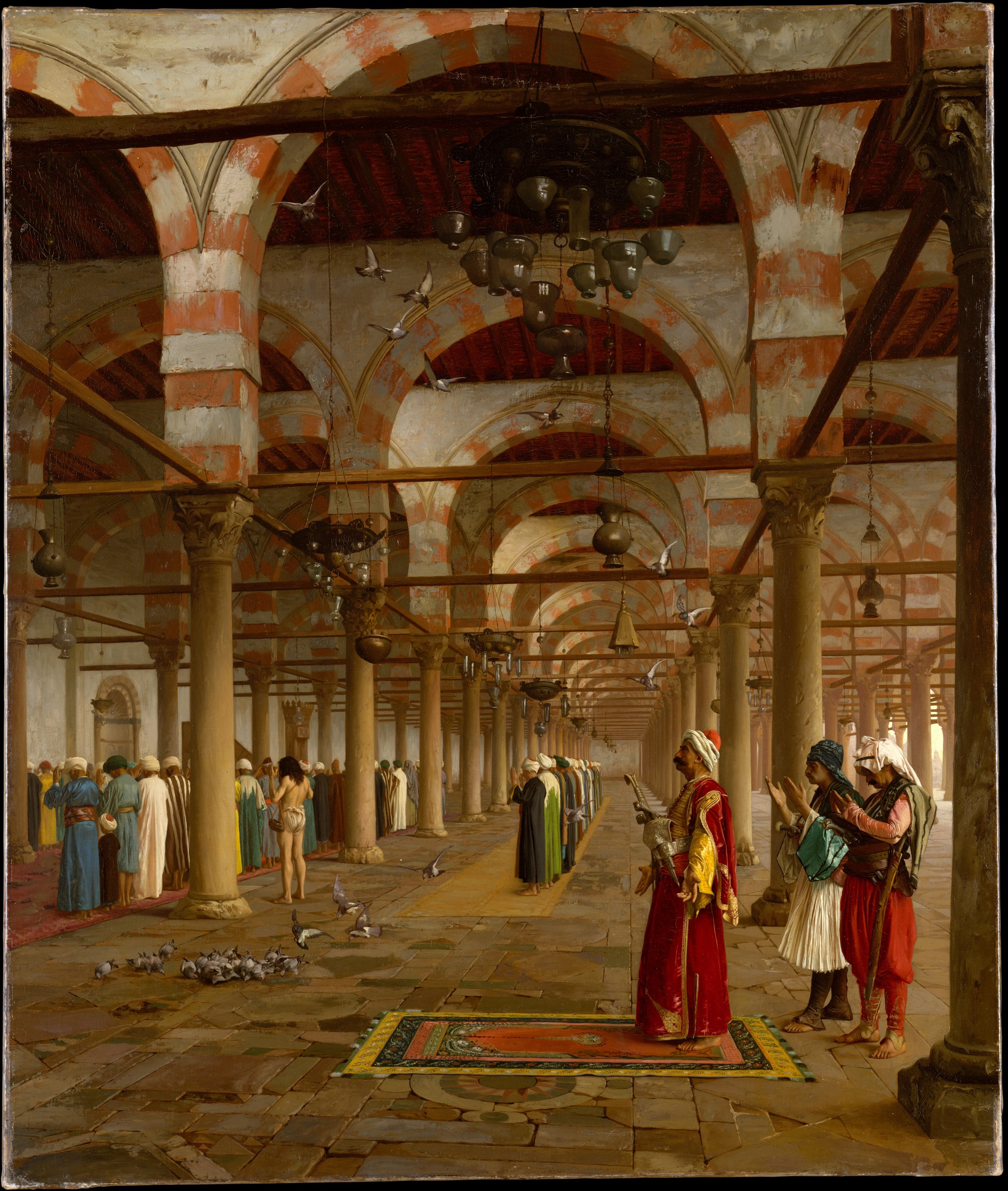
Cleopatra: Needle in the Court, public domain
A Royal Entrance for the Ages
As Antony waits atop the riverbank, Cleopatra arrives on a golden barge, sails scented with incense, musicians playing, the queen herself radiant and draped in shimmering fabrics. Legend has it, the crowd stopped breathing. Plutarch describes her as pure theatre—every gesture calculated, every detail staged for maximum awe.
Gambling with Power and Perception
Cleopatra wasn’t just showing off—she was making a political move. Rome dominated the Mediterranean, but its leaders couldn’t look away from Egypt’s queen. In a world where most women ruled quietly, Cleopatra made sure her authority was seen, heard, and remembered. Her spectacle wasn’t vanity, but strategy.
The Woman Rome Loved to Hate
Cleopatra weaponized her own legend. Romans gossiped, poets fumed, but every whisper made her harder to ignore. In the end, her fame outlived her kingdom—a lesson in the risks and rewards of commanding your own story.
She chose spectacle over subtlety, and in a Roman world obsessed with order, that made her both irresistible and dangerous.
